The core difference between waterproof boots and rain boots lies in their materials, usage scenarios, and functionality.
Material differences
Rain boots: usually made of materials with strong sealing properties such as rubber and PVC, ensuring long-term waterproofing, but with poor breathability.
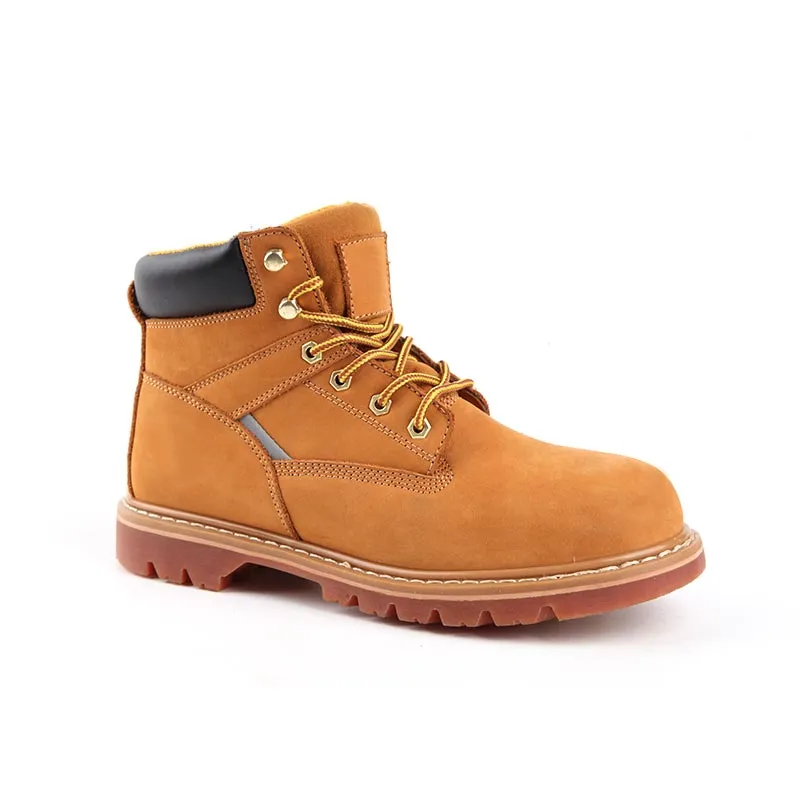
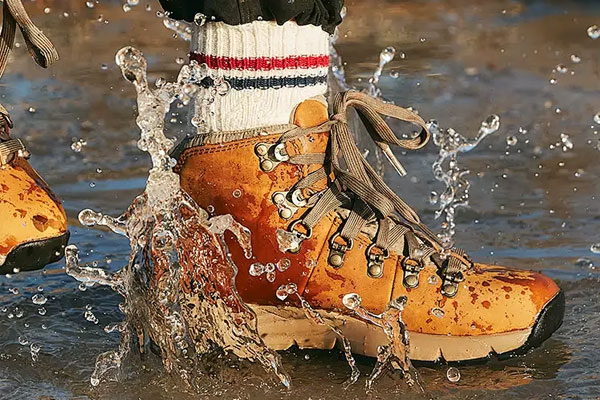
Waterproof boots: may use waterproof breathable film (such as Gore Tex) or coating technology to provide breathability while preventing water splashing, suitable for short-term water immersion or daily rain protection.
Applicable scenarios
Rain boots: suitable for long-term water immersion or harsh environments (such as working in farmland or outdoors on rainy days), providing comprehensive protection, but wearing them for a long time may cause stuffiness to the feet.
Waterproof boots: more suitable for daily commuting or short-term waterproof needs (such as walking on rainy days), balancing comfort and functionality, but the waterproof ability may be weaker than traditional rain boots.
Design Features
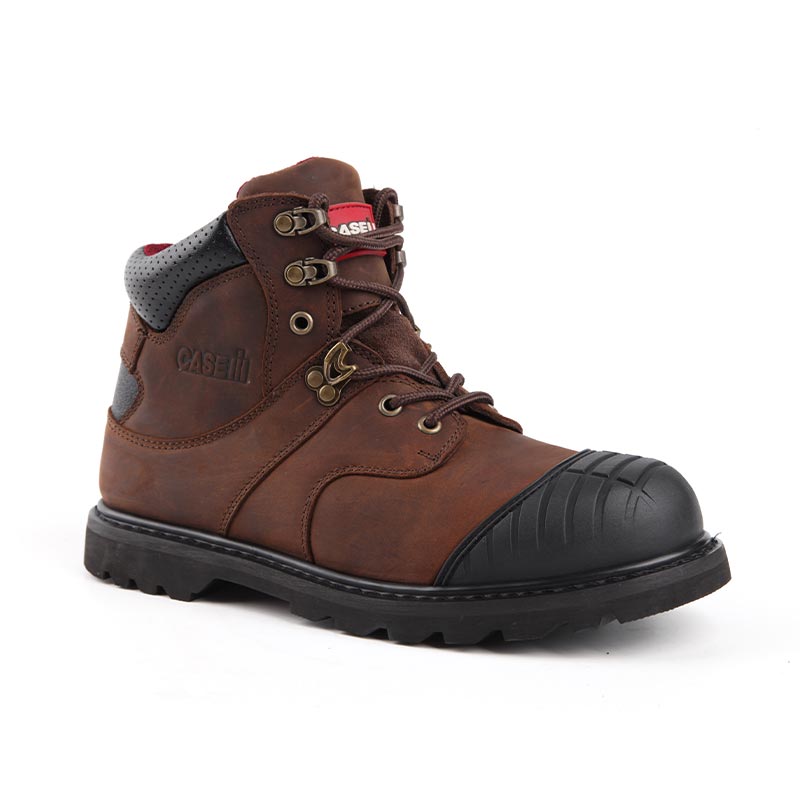
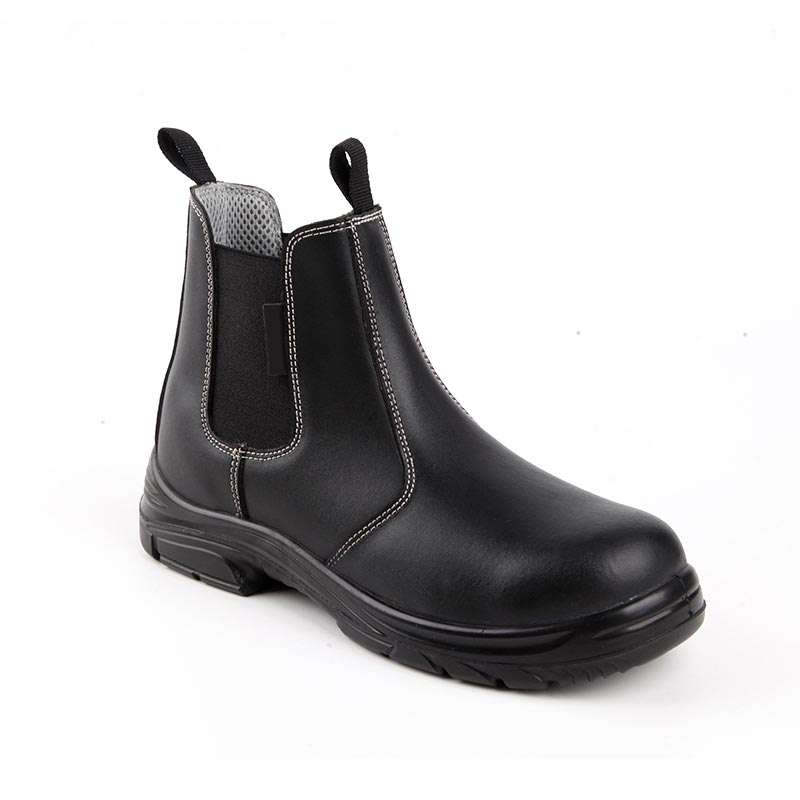
Rain boots: Common high top designs (such as lighthouse rain boots) with prominent anti slip patterns, some styles are customized for specific professions (such as fishing, chefs, etc.).
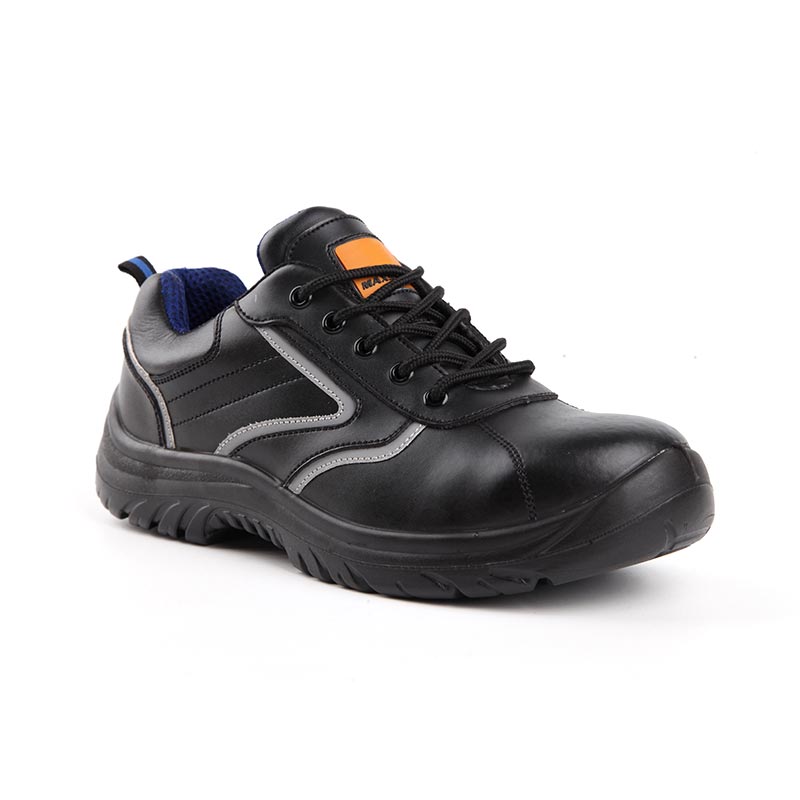
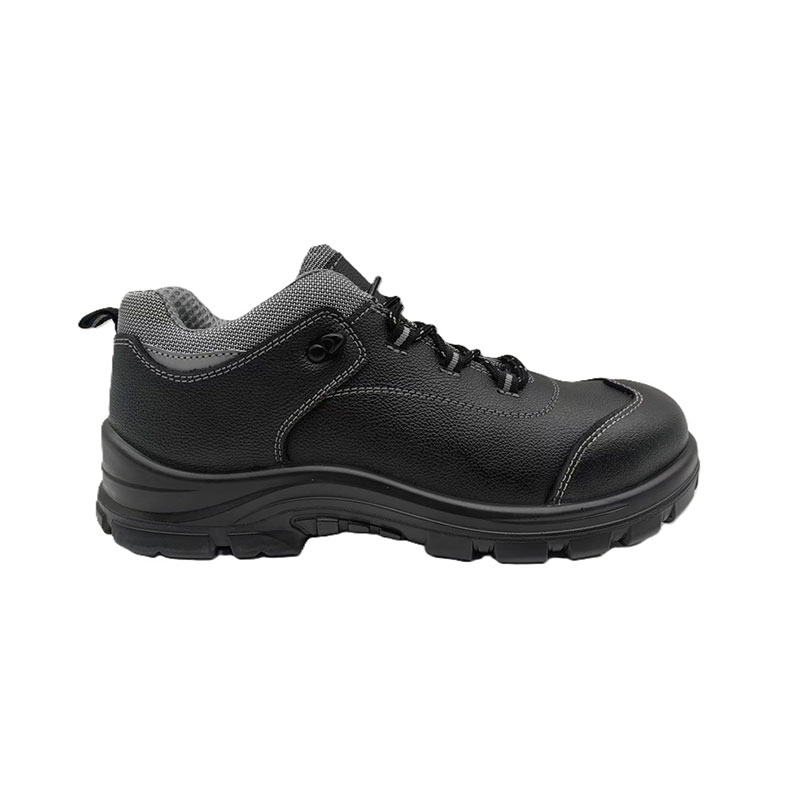
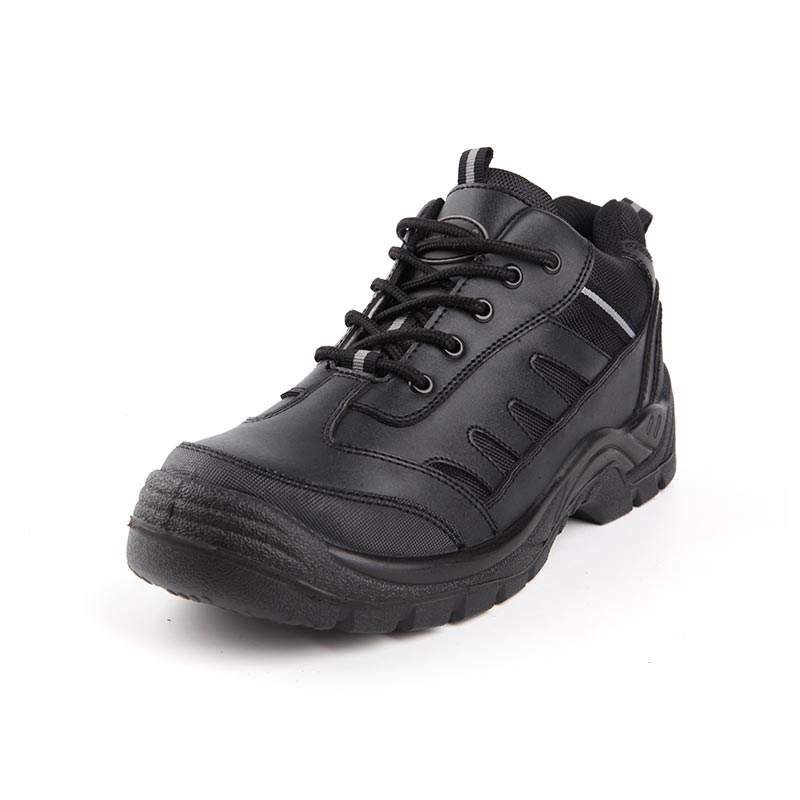
Waterproof boots: The appearance is closer to ordinary shoes, emphasizing lightness and fashion. Some high-end models support quick on and off (such as rainproof shoe covers).
Summary: If you need to be waterproof for a long time and do not require high breathability (such as labor protection), choose rain boots; If you pursue daily rainproof and comfort, waterproof boots are more suitable.
We use cookies to offer you a better browsing experience, analyze site traffic and personalize content. By using this site, you agree to our use of cookies. Privacy Policy