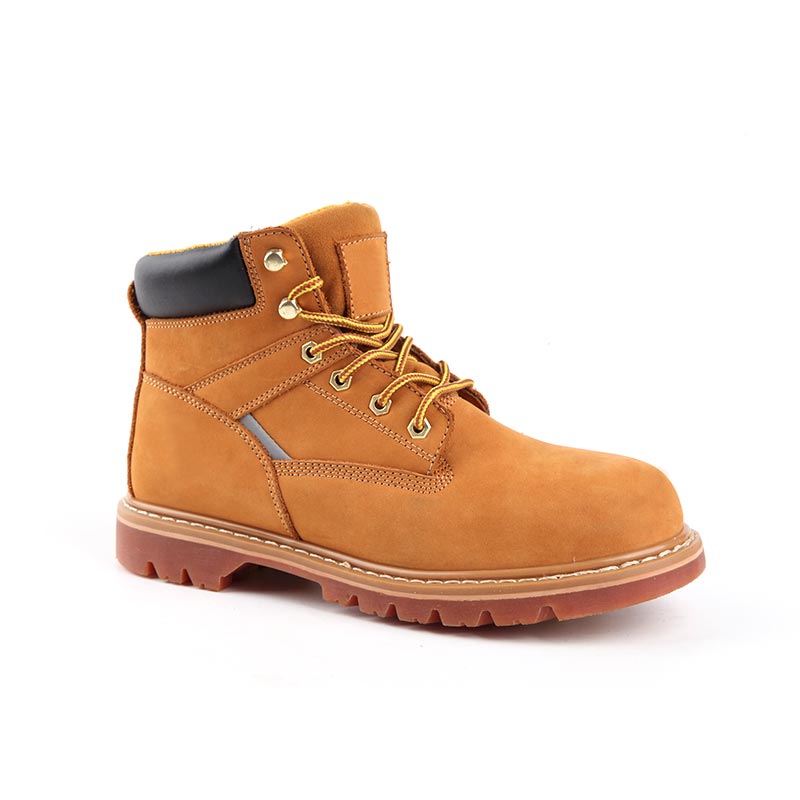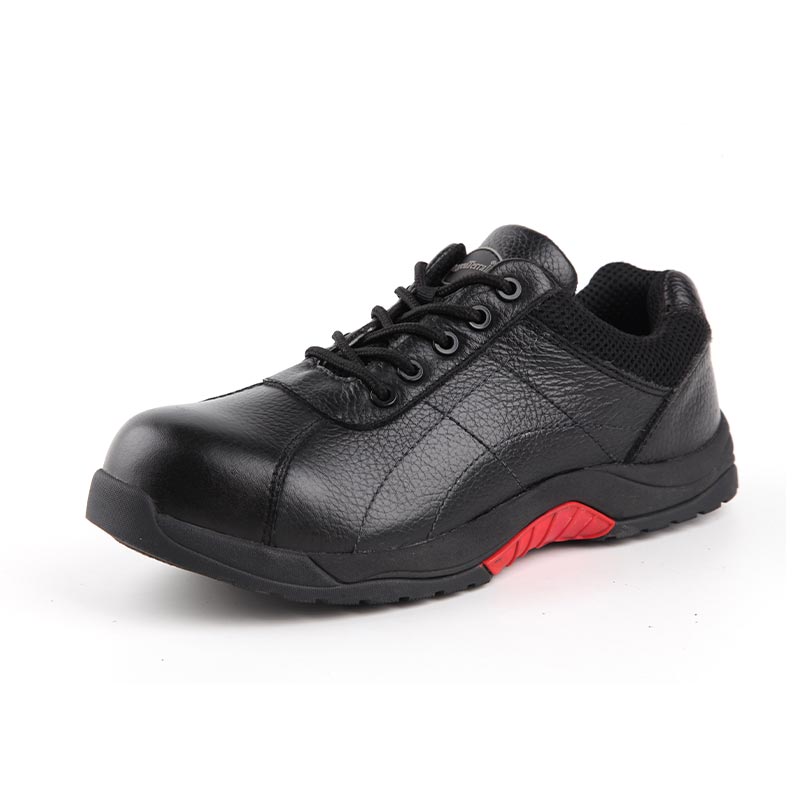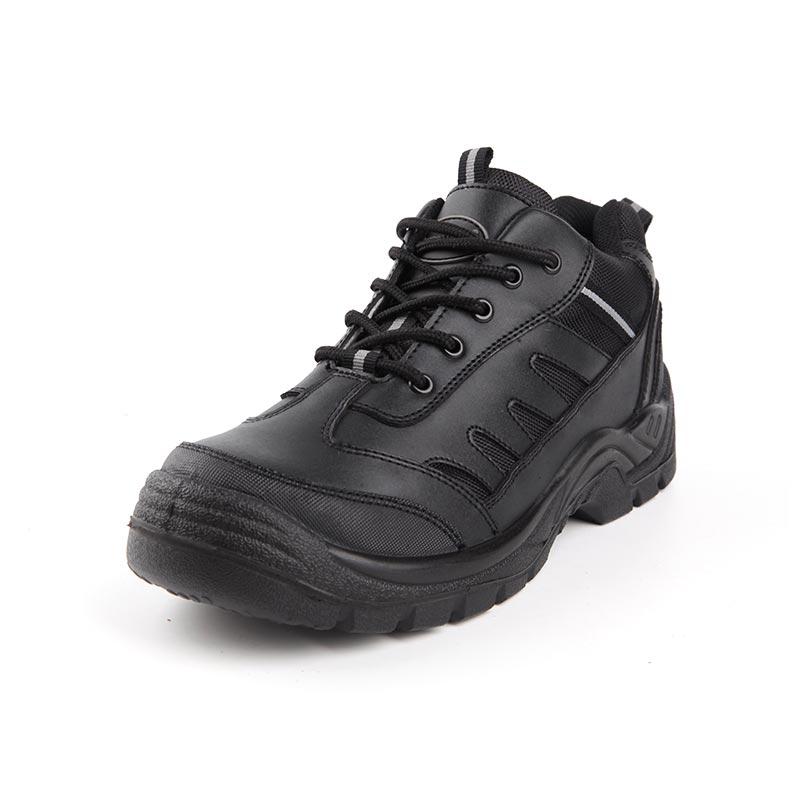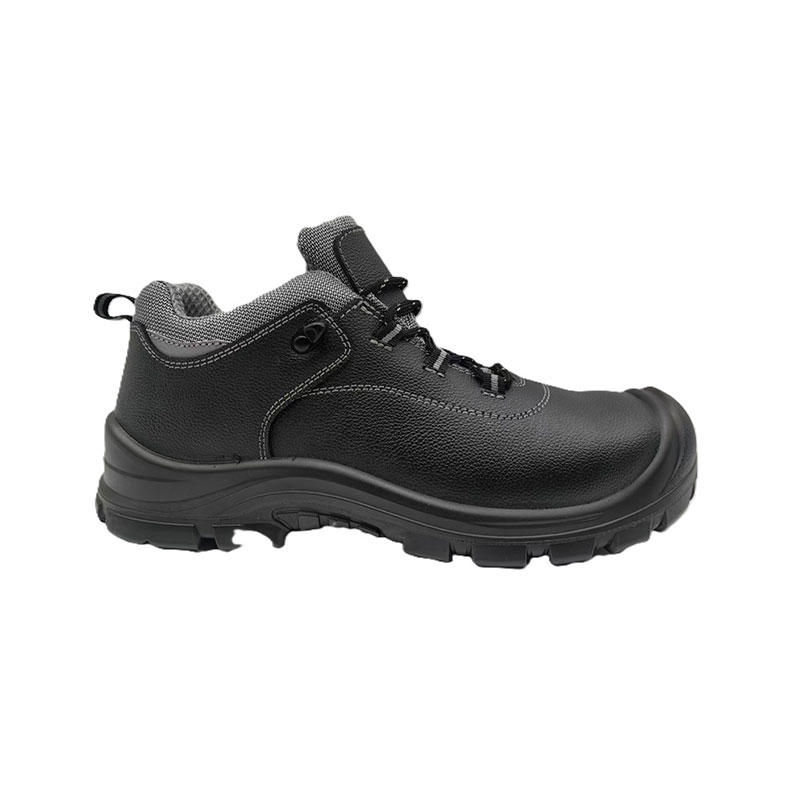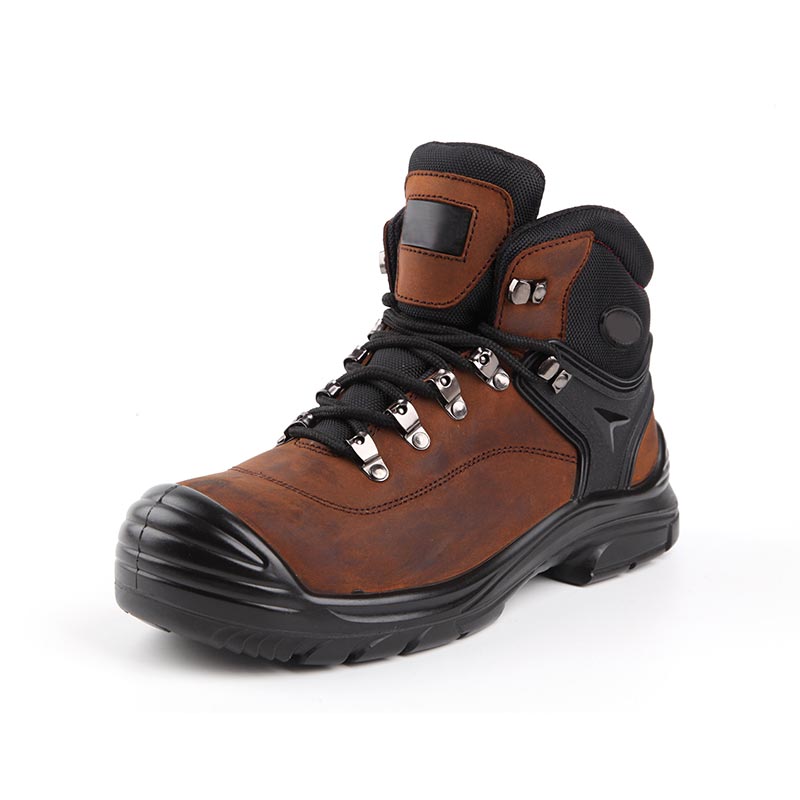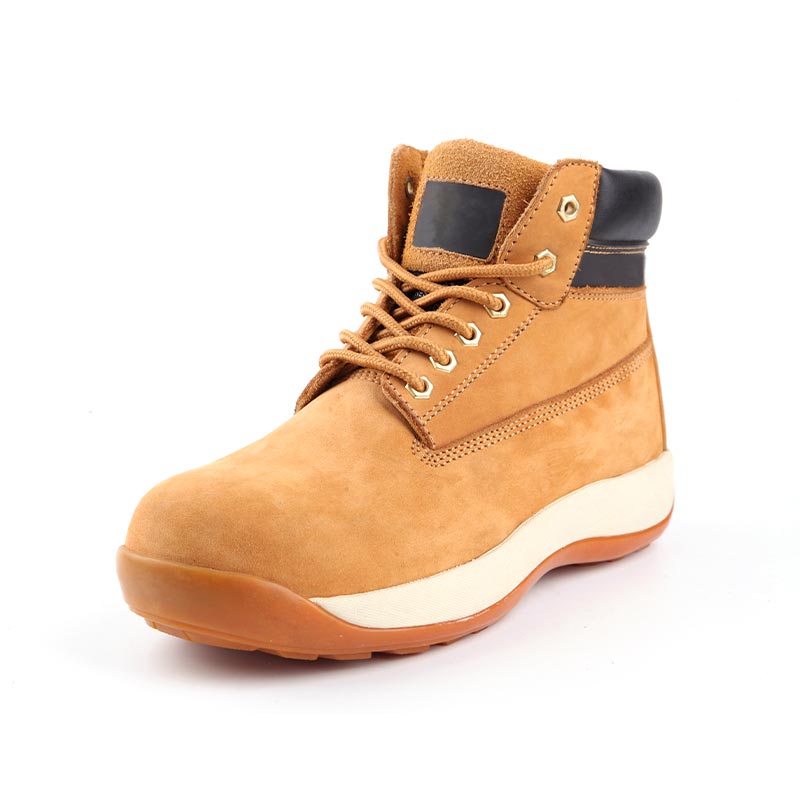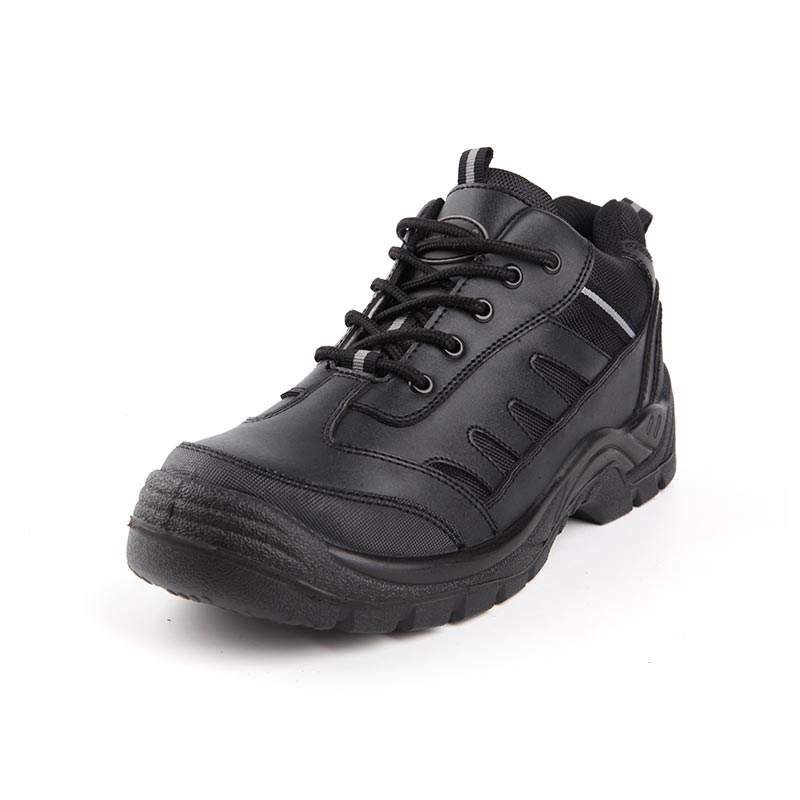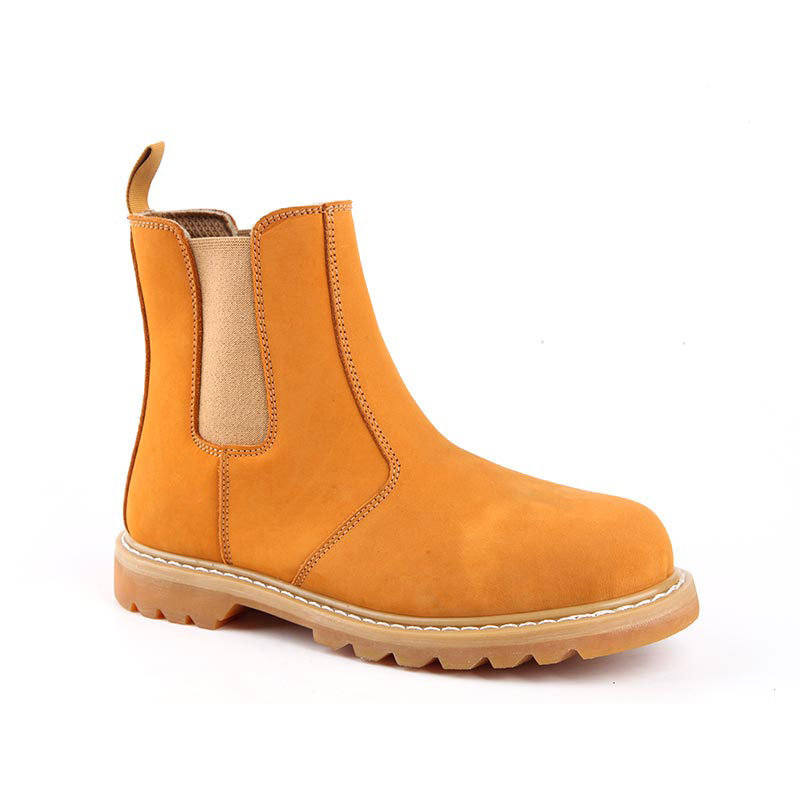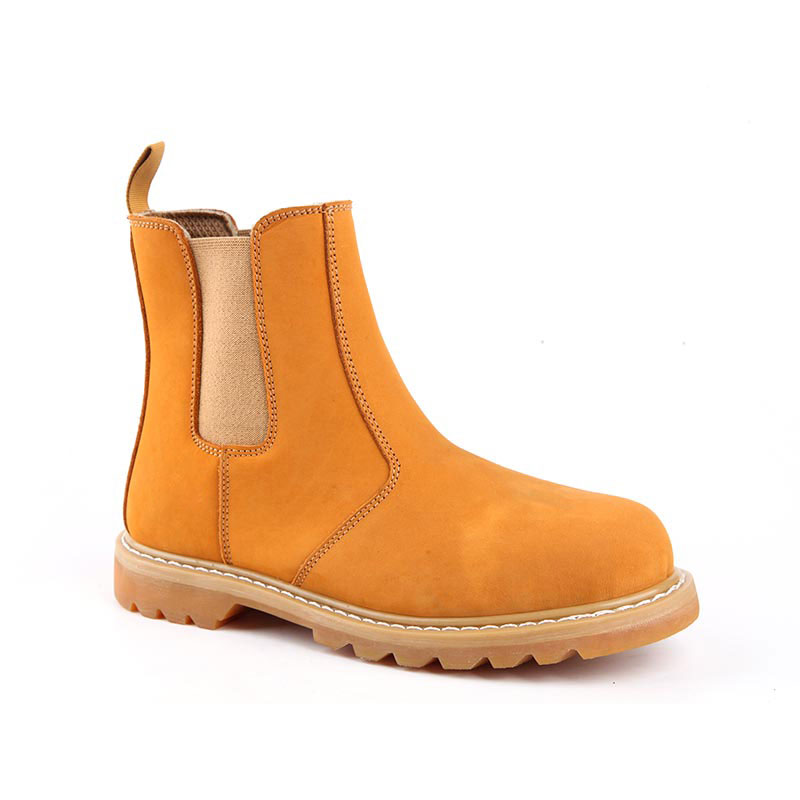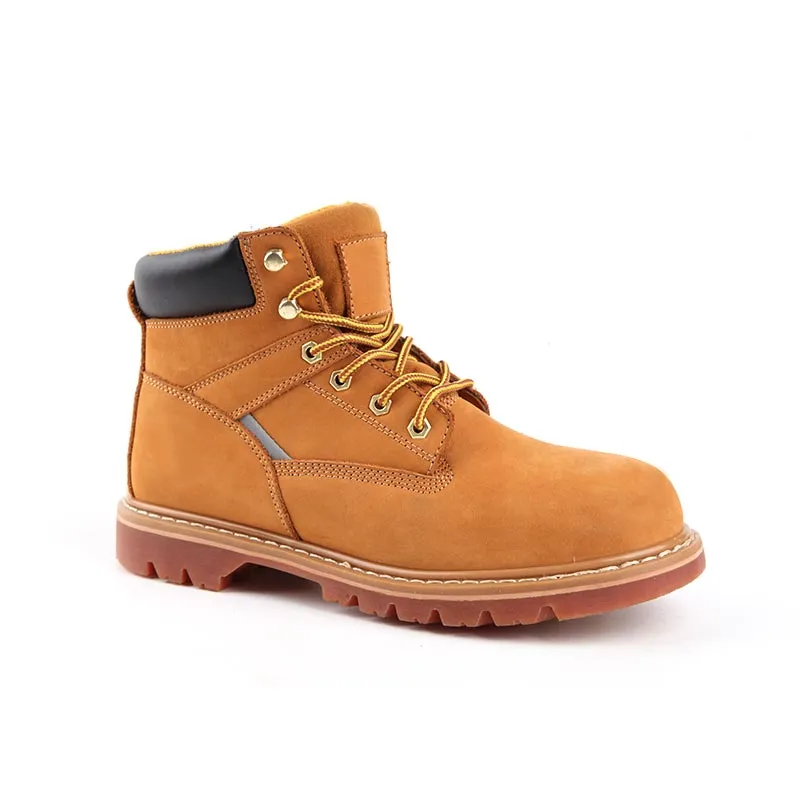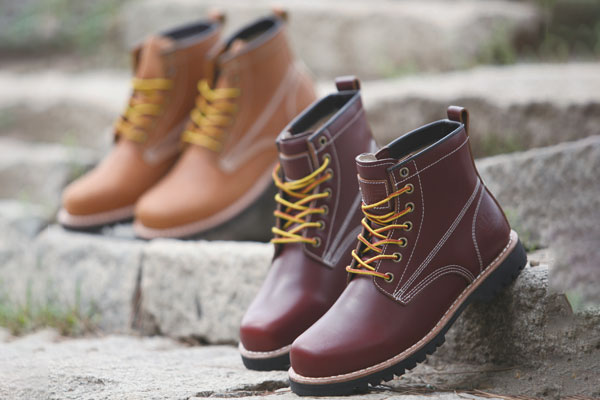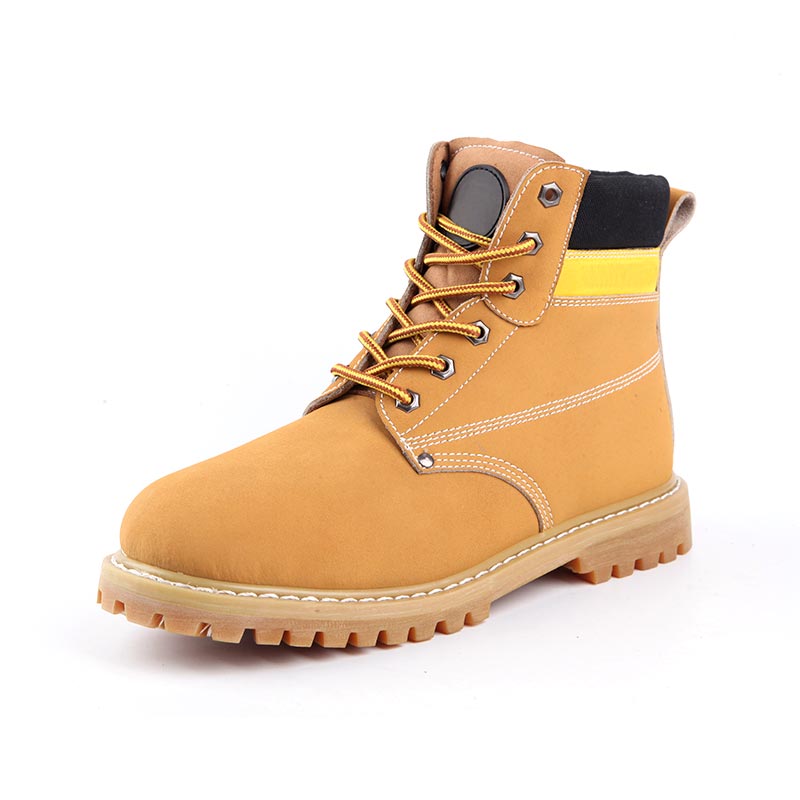

Occupational environments today are more diverse and demanding than ever before. From construction sites and factories to healthcare facilities, logistics warehouses, laboratories, and service industries, workers face daily exposure to risks that can affect foot safety, posture, fatigue levels, and long-term musculoskeletal health. Occupational shoes are no longer optional protective accessories—they are essential equipment designed to reduce injury risks, improve comfort, and enhance productivity.
This article explores the core functions of occupational shoes, the science behind their design, key selection criteria, material innovations, industry-specific requirements, and common user challenges. It also provides structured comparisons, practical checklists, and expert insights to help users choose the right footwear for their working environment.
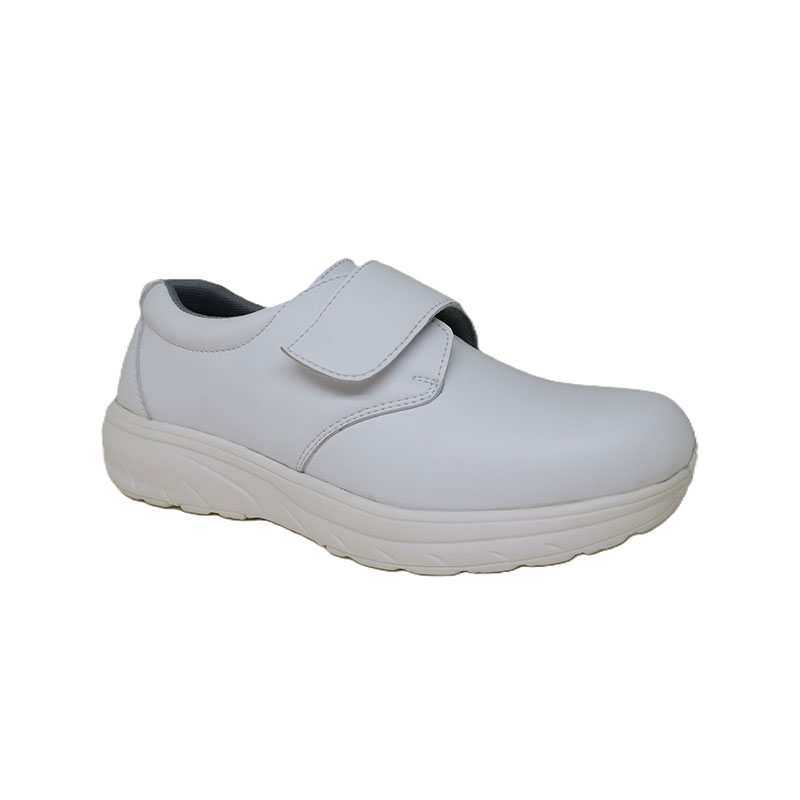
Occupational shoes are specially designed footwear intended to protect workers from hazards in various professional environments while maintaining comfort during long working hours. Unlike regular shoes, they are engineered with reinforced materials, ergonomic structures, and safety-focused components that reduce workplace injuries.
Their primary role extends beyond protection. Modern occupational shoes also address fatigue reduction, posture alignment, shock absorption, and slip resistance. This combination makes them an essential part of workplace safety systems.
In industries where workers stand or move for extended hours, improper footwear can lead to long-term health issues such as plantar fasciitis, knee strain, and lower back pain. Occupational shoes mitigate these risks effectively.
Many workplace accidents originate from slip, trip, and fall incidents. According to industrial safety observations, a significant proportion of injuries could be prevented with proper footwear.
Occupational shoes are designed with specialized outsoles that enhance grip on slippery, oily, or uneven surfaces. Additionally, reinforced toe caps protect against falling objects, while puncture-resistant midsoles prevent injuries from sharp materials.
Key safety risks addressed by occupational shoes include:
By addressing these hazards at the foundation level—literally at the feet—occupational shoes significantly reduce workplace injury rates.
Not all occupational shoes are created equal. High-quality models share several essential characteristics that determine their performance and reliability.
| Feature | Function | Benefit |
|---|---|---|
| Steel/Composite Toe Cap | Protects toes from impact | Prevents crush injuries |
| Slip-Resistant Sole | Improves traction | Reduces fall risk |
| Puncture-Resistant Midsole | Blocks sharp objects | Foot sole protection |
| Shock Absorption Layer | Reduces impact force | Less fatigue and joint stress |
| Breathable Upper Material | Improves airflow | Reduces sweat and odor |
These features work together to ensure both protection and comfort in demanding environments.
The evolution of occupational shoes has been driven by advancements in materials science. Modern designs integrate lightweight composites, nano-coatings, and advanced foams to improve performance.
Common materials include:
New innovations also focus on ergonomic foot mapping technology, which adapts shoe structure to natural foot movement patterns, reducing strain during long working hours.
Different industries demand different types of occupational shoes. A one-size-fits-all approach is ineffective in ensuring proper protection.
| Industry | Key Risks | Recommended Features |
|---|---|---|
| Construction | Heavy objects, sharp debris | Steel toe, puncture resistance |
| Healthcare | Slippery floors, long standing hours | Slip resistance, cushioning |
| Logistics | Heavy lifting, fast movement | Shock absorption, toe protection |
| Food Service | Oil spills, wet floors | Anti-slip, waterproof design |
| Manufacturing | Machinery hazards, chemicals | Chemical resistance, reinforced sole |
Choosing industry-specific footwear ensures optimal safety and performance in real working conditions.
Many workers experience discomfort or injuries due to improper footwear selection. Understanding these issues helps in preventing long-term damage.
Addressing these issues proactively improves worker health and productivity significantly.
Selecting occupational shoes requires careful evaluation of work conditions, safety standards, and personal comfort needs.
Checklist for Selection:
A well-selected pair of occupational shoes can reduce injury risk and improve daily work efficiency significantly.
Proper maintenance extends the lifespan of occupational shoes and preserves their protective features.
Regular maintenance not only prolongs usability but also ensures consistent safety performance.
Q1: How long do occupational shoes typically last?
They usually last between 6 to 18 months depending on usage intensity and working environment.
Q2: Are occupational shoes suitable for all-day standing jobs?
Yes, they are specifically designed to reduce fatigue during long standing or walking hours.
Q3: What is the difference between safety shoes and occupational shoes?
Safety shoes typically focus on heavy industrial protection, while occupational shoes balance protection with comfort for lighter or mixed environments.
Q4: Can occupational shoes prevent all workplace injuries?
They significantly reduce risks but must be combined with proper workplace safety practices.
Q5: Are lightweight occupational shoes safe enough?
Yes, modern lightweight materials can still meet safety standards while improving comfort.
Occupational shoes are a fundamental component of workplace safety systems. Their role goes beyond protection—they enhance productivity, reduce fatigue, and contribute to long-term health preservation. As workplace environments continue to evolve, the demand for high-performance occupational footwear will continue to grow.
Investing in the right pair of occupational shoes is not just a purchase decision—it is a commitment to safety, comfort, and efficiency.
For businesses and distributors seeking reliable and high-quality occupational footwear solutions, professional manufacturing support is essential.
Shandong Glory Source Industry Co., Ltd. provides a wide range of durable and performance-oriented occupational shoes designed for different industries and working environments. With a strong focus on material quality, ergonomic design, and long-term wear resistance, the company supports global clients with stable supply and customized solutions. If you are looking for reliable occupational footwear solutions, contact us today to explore product catalogs, customization options, and bulk supply services tailored to your market needs.