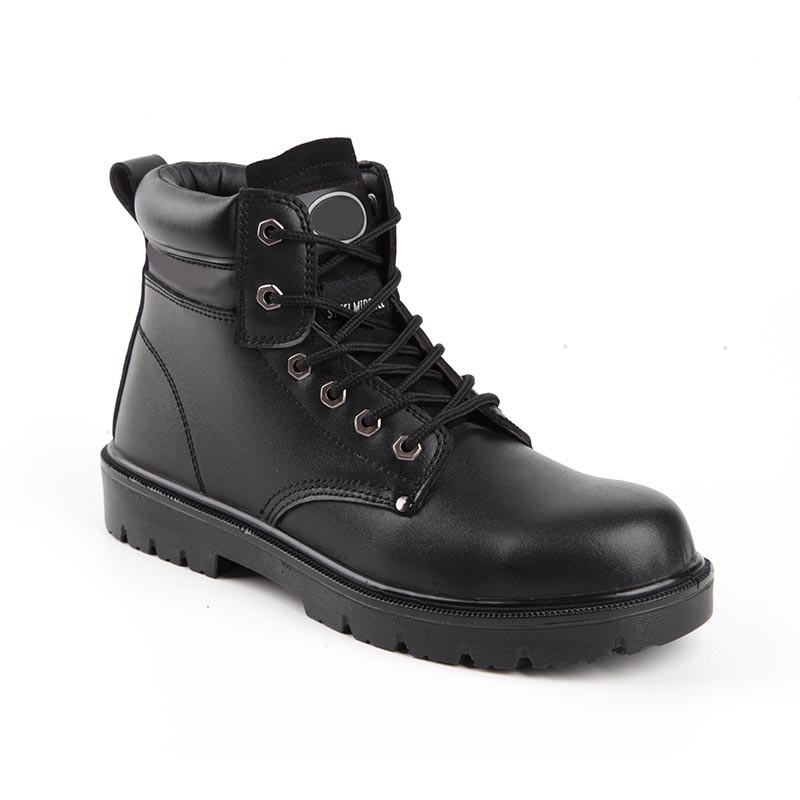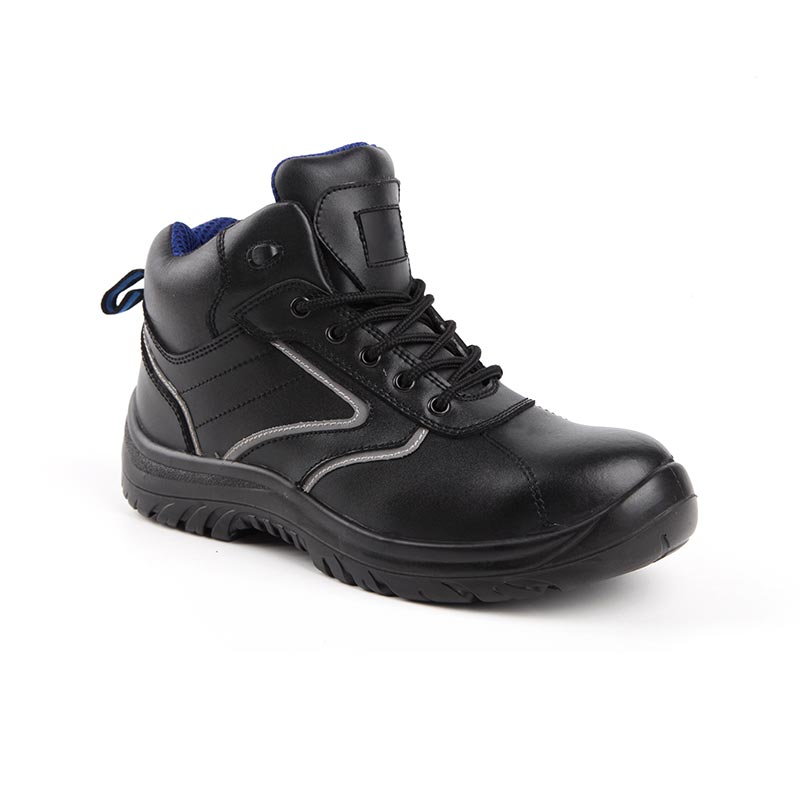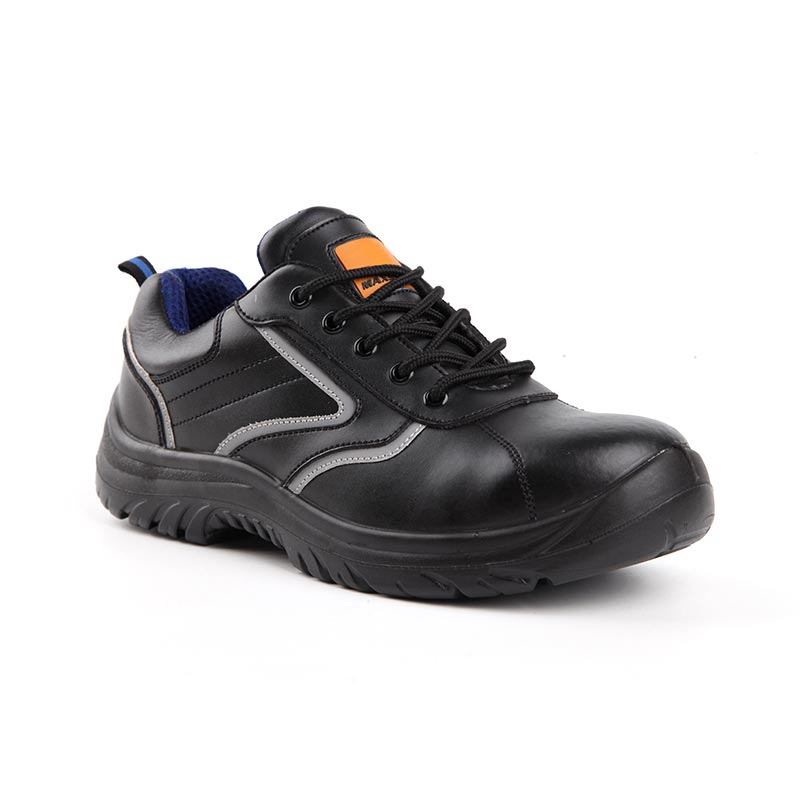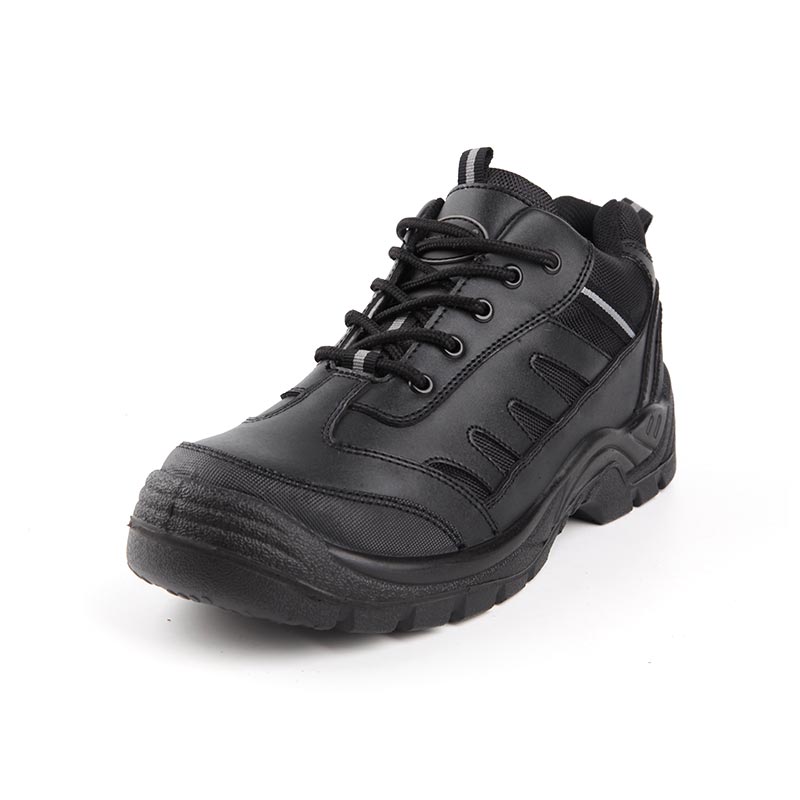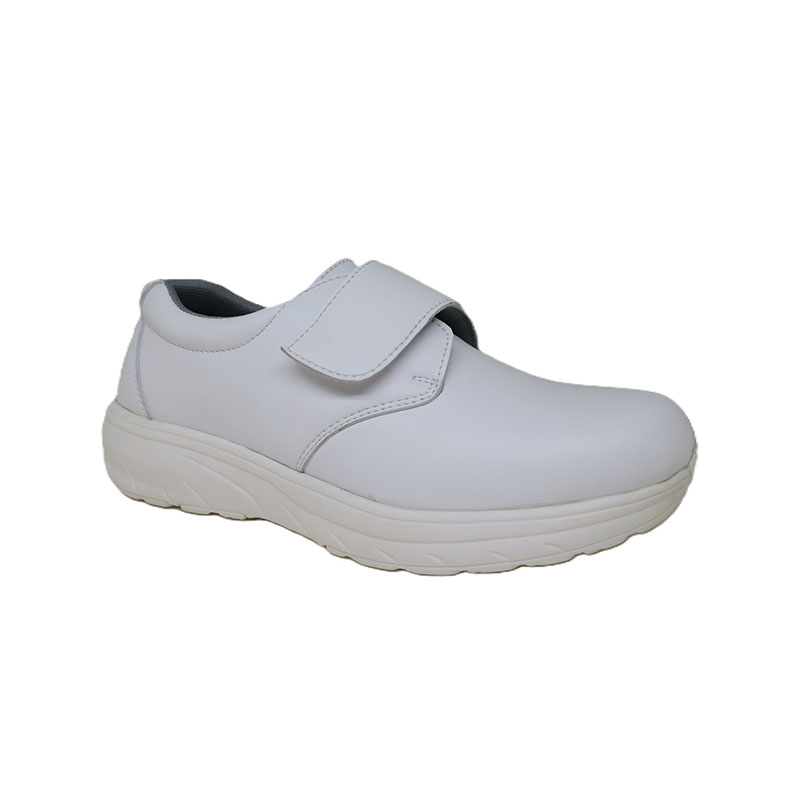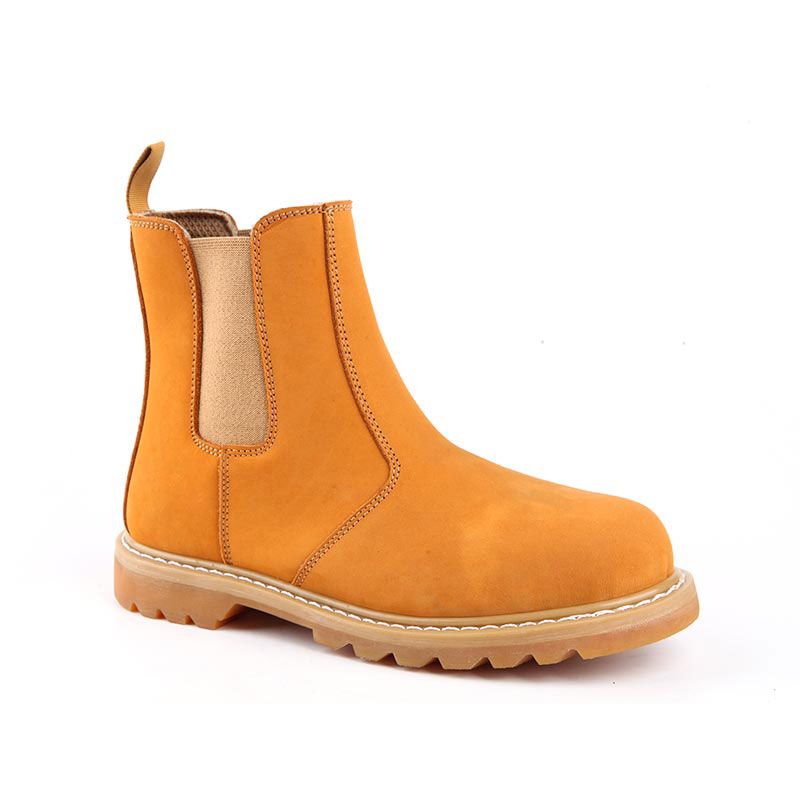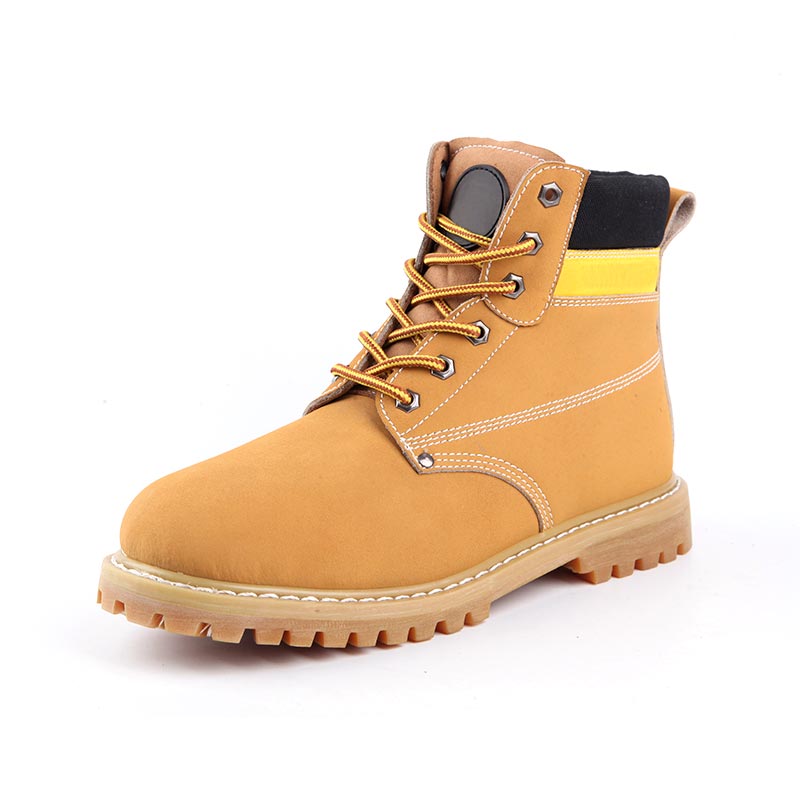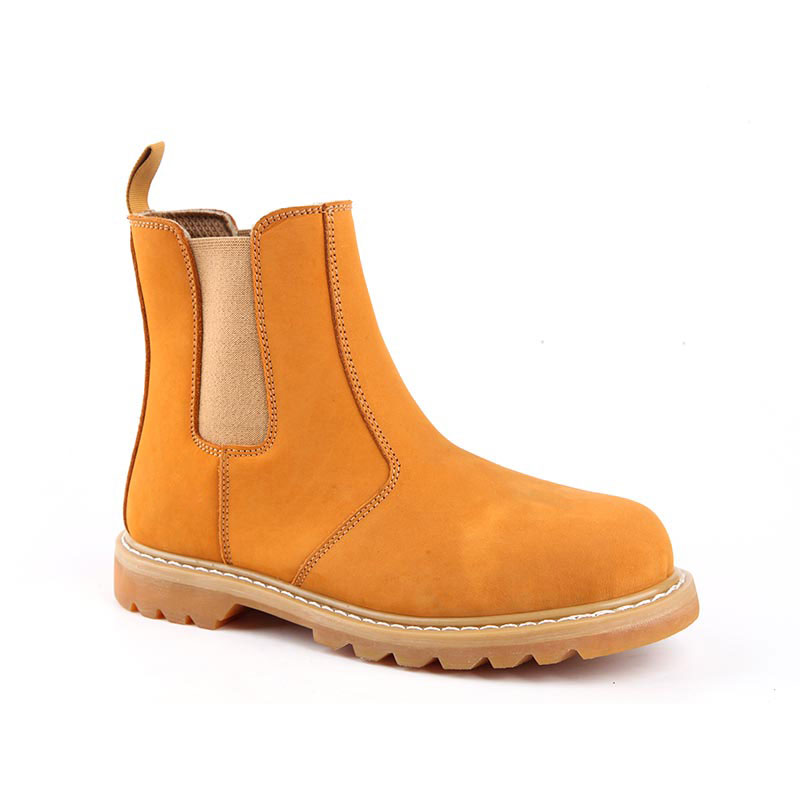

The development of Mid-Cut Full-Grain Nubuck Safety Shoes reflects a wider shift in protective footwear, where durability, comfort and workplace adaptability are becoming equally important.
For decades, safety footwear was mainly associated with heavy construction boots designed around basic protection requirements. However, modern industrial environments have changed. Workers often spend longer hours walking, standing, climbing and moving between different surfaces, creating new expectations for footwear that can provide protection without creating unnecessary fatigue. Recent safety footwear discussions increasingly focus on balancing protection, ergonomics and everyday wearability.
The evolution of protective footwear is not only about adding more protective components. It is also about improving how different materials, structures and designs work together in real working conditions.
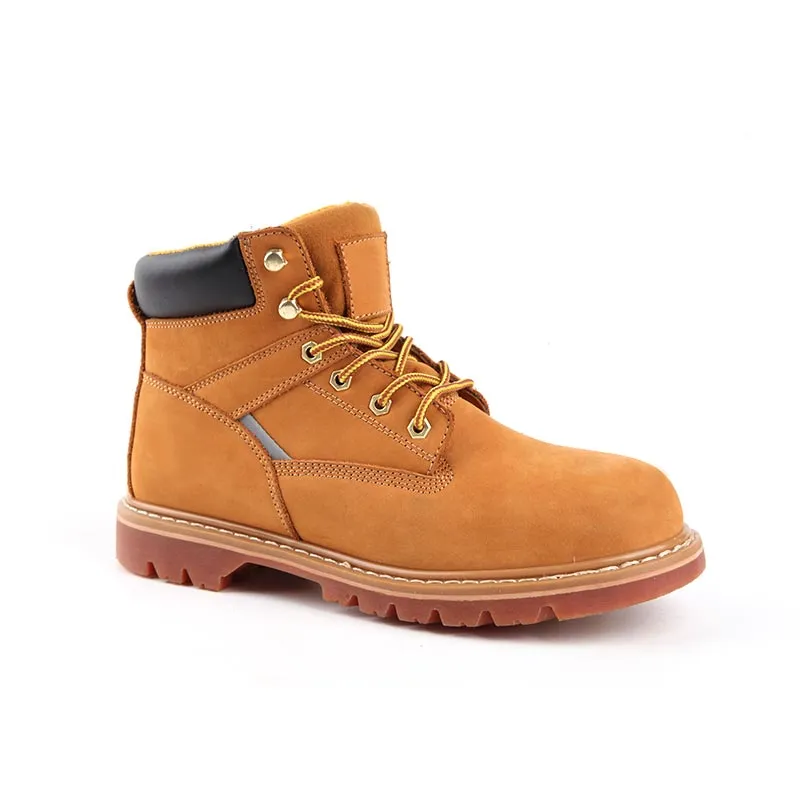
Traditional safety boots were often designed with a simple priority: maximum protection against heavy impacts and harsh environments. While this approach remains important in industries such as construction, mining and oil & gas, workplace demands have become more diverse.
Modern industrial sites include warehouses, manufacturing facilities, logistics operations and outdoor projects where workers may experience different challenges during a single shift. A worker may move from smooth indoor flooring to uneven outdoor surfaces, or from dry areas to locations exposed to moisture and dust.
This change has encouraged the development of safety footwear that combines protective features with improved mobility.
The Mid-Cut Full-Grain Nubuck Safety Shoes category represents this transition. The mid-cut structure provides more ankle coverage compared with low-cut safety shoes, while maintaining a lighter and more flexible profile than many traditional high boots.
Material selection has always been a key factor in protective footwear development.
Full-grain nubuck leather is valued because it maintains the natural strength of leather while providing a distinctive surface texture created through controlled finishing. Compared with ordinary synthetic uppers, leather materials are often associated with durability, abrasion resistance and long-term wear characteristics.
In industrial applications, upper materials need to handle repeated movement, contact with workplace surfaces and daily environmental exposure.
The role of leather in safety footwear remains significant. Industry reports indicate that leather continues to represent an important material category in protective footwear due to its durability and suitability for demanding working environments.
However, modern footwear design is no longer focused on material strength alone. The challenge is combining durability with flexibility, weight control and user comfort.
The height of safety footwear directly affects how workers interact with their environment.
Low-cut safety shoes are often preferred in areas where flexibility and frequent movement are important. On the other hand, taller boots can provide additional coverage in more demanding conditions. Mid-cut designs sit between these two options by offering increased support around the ankle while keeping movement relatively natural.
This design approach is becoming more relevant in industries where workers are active throughout the day.
| Design Element | Practical Function | Common Application Areas |
|---|---|---|
| Mid-cut upper structure | Additional ankle coverage and support | Construction, manufacturing, outdoor work |
| Full-grain nubuck upper | Durability and abrasion resistance | Heavy-duty workplaces |
| Protective toe structure | Helps reduce impact risks | Industrial and construction environments |
| Slip-resistant outsole | Improves traction on changing surfaces | Warehouses, factories, outdoor sites |
| Cushioned interior design | Supports long-hour wear | Logistics and manufacturing |
The table shows that modern protective footwear is becoming a combination of multiple performance factors rather than a single safety feature.
One of the biggest changes in safety footwear development is the increased attention to comfort.
A safety shoe is worn for many hours, meaning its performance cannot be separated from how it feels during daily use. Heavy footwear, limited flexibility or poor fit may increase fatigue during long shifts.
Recent industry discussions highlight a growing demand for lighter, more ergonomic protective footwear that maintains required safety functions while improving daily comfort.
This trend has influenced several areas of design:
Sole systems are evolving from simple protective layers into engineered structures that influence cushioning, stability and traction.
Rubber, PU and TPU materials each provide different advantages depending on workplace requirements. Rubber is commonly associated with strong grip and resistance, while PU-based systems can offer lightweight cushioning characteristics.
Reducing unnecessary weight has become a key consideration, especially for workers who walk long distances or remain standing for extended periods.
The goal is not simply creating the lightest shoe possible. Protective footwear still needs structural strength, toe protection and outsole durability.
Modern safety footwear increasingly considers natural movement, foot shape and long-term wearing conditions.
This represents a broader change in the protective equipment industry: safety products are being designed around the person using them, not only around the hazard they protect against.
Although comfort and appearance are becoming more important, safety performance remains the foundation of protective footwear.
Standards such as CE EN ISO 20345 provide frameworks for evaluating safety footwear performance, including protection against mechanical risks, slip resistance and other workplace hazards.
For different industrial applications, the required protection level may vary.
A warehouse environment may focus heavily on slip resistance and walking comfort. A construction environment may require stronger impact and puncture protection. Chemical or oil-related workplaces may require additional material resistance.
This means footwear selection increasingly depends on understanding the working environment rather than choosing a single universal design.
The development of Mid-Cut Full-Grain Nubuck Safety Shoes reflects several broader trends happening across industrial footwear.
| Industry Change | Impact on Safety Footwear |
|---|---|
| Longer working hours | Increased demand for comfort and ergonomic design |
| More diverse workplaces | Need for versatile protective features |
| Higher safety awareness | Greater attention to standards and testing |
| Changing workforce expectations | Preference for practical and wearable designs |
| Material innovation | More combinations of leather, polymers and advanced sole systems |
These changes show that protective footwear is moving beyond the traditional idea of a heavy industrial boot.
Instead, the industry is exploring how safety, durability and comfort can work together.
Future safety footwear development will likely continue focusing on balance.
Protection will remain essential, but other factors such as weight, flexibility, material sustainability and long-term comfort will influence product design decisions.
The rise of versatile footwear styles shows that industrial users increasingly expect safety equipment to support their working routines rather than simply meet minimum requirements.
A well-designed safety shoe should help workers move confidently through their environment while maintaining appropriate protection against workplace risks.
The evolution of Mid-Cut Full-Grain Nubuck Safety Shoes represents a wider transformation in protective footwear. Modern safety shoes are no longer defined only by reinforced structures or heavy materials. They are increasingly shaped by the need for durability, comfort, mobility and application-specific protection.
As industries continue to change, protective footwear development will focus on creating better connections between safety requirements and real working conditions. Products such as Mid-Cut Full-Grain Nubuck Safety Shoes from Gloryfoot reflect this ongoing movement toward more balanced and practical workplace footwear solutions.