
News

What Makes Anti-Slip Steel Toe Construction Safety Shoes Reliable on Tough Job Sites?

2026-09-15 0 Leave me a message

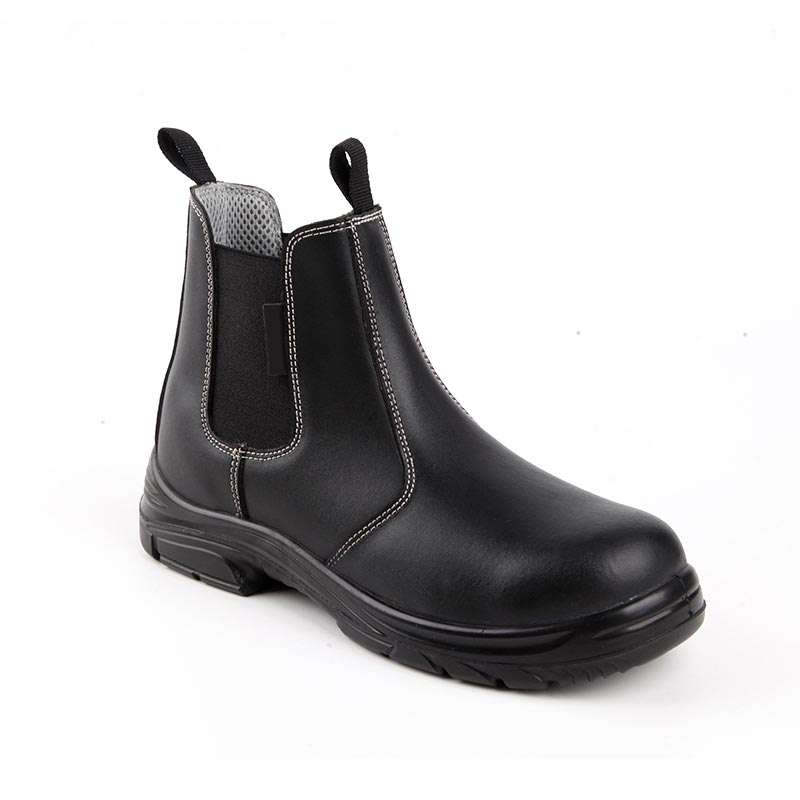
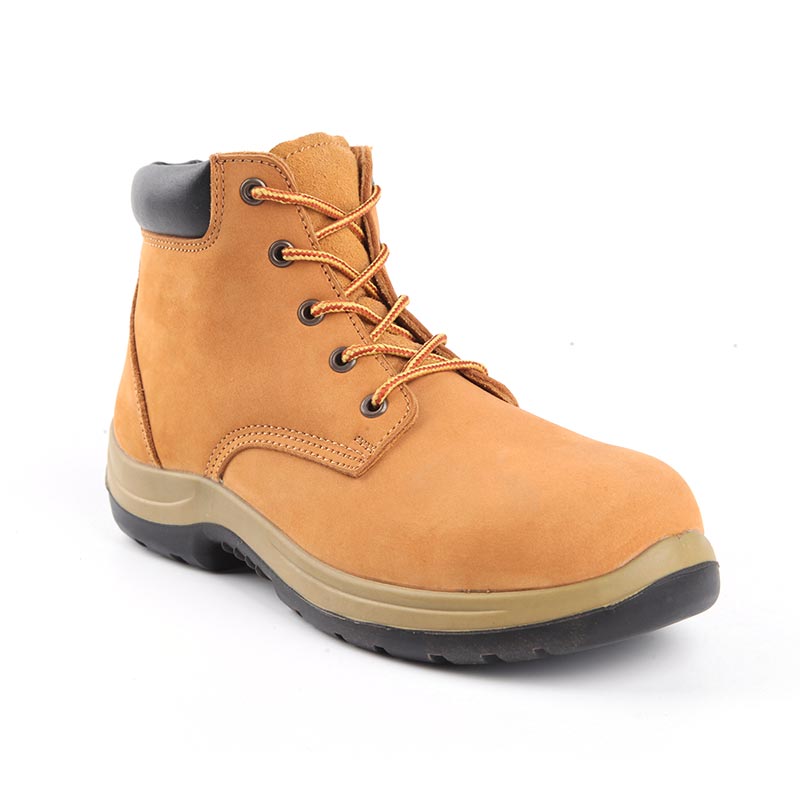
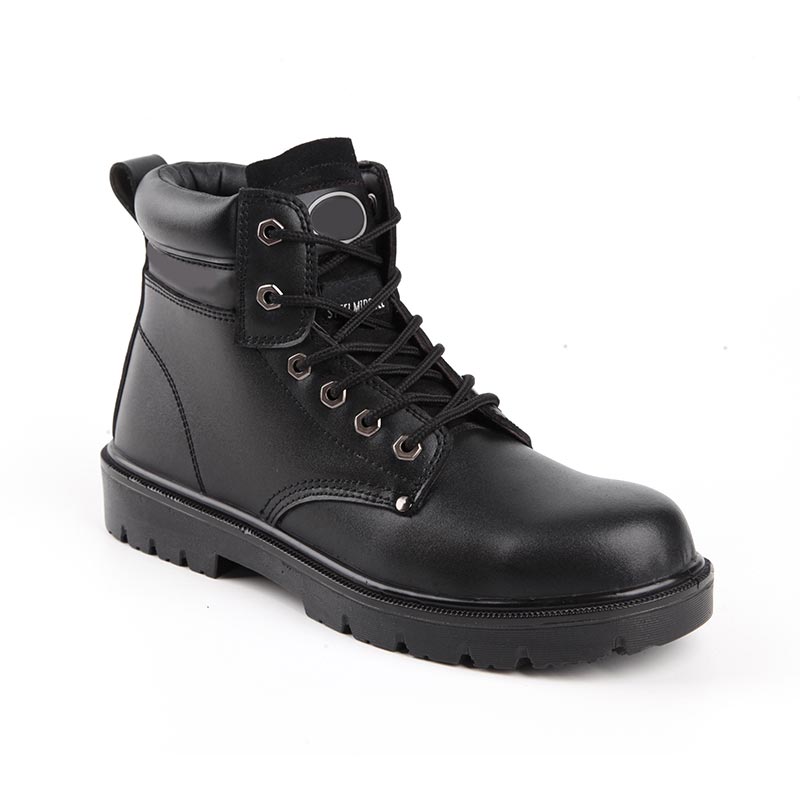
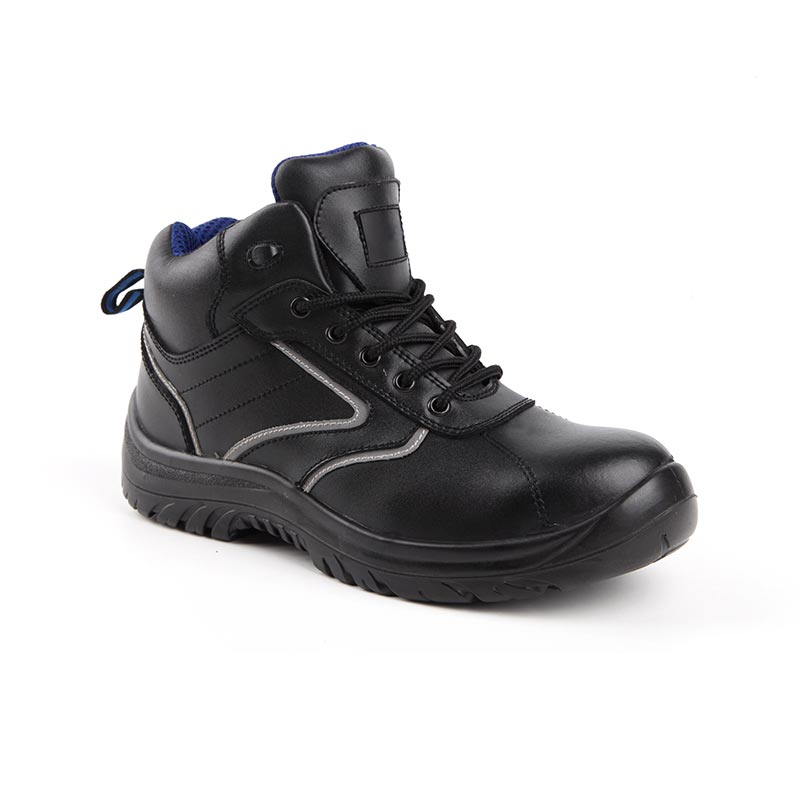
Construction workers face a combination of falling objects, uneven ground, wet surfaces, sharp debris, heavy equipment and long working hours. Anti-slip steel toe construction safety shoes are designed to address several of these challenges in one piece of protective footwear. A dependable pair should combine a protective toe structure with an outsole that maintains traction, a supportive upper, suitable puncture resistance, comfortable fitting and construction appropriate to the working environment.

This guide explains what buyers should examine before ordering safety footwear in bulk, how outsole design affects traction, why steel toe protection matters, how comfort influences daily use, and how companies such as Shandong Glory Source Industry Co., Ltd. can support professional buyers looking for dependable construction footwear solutions.

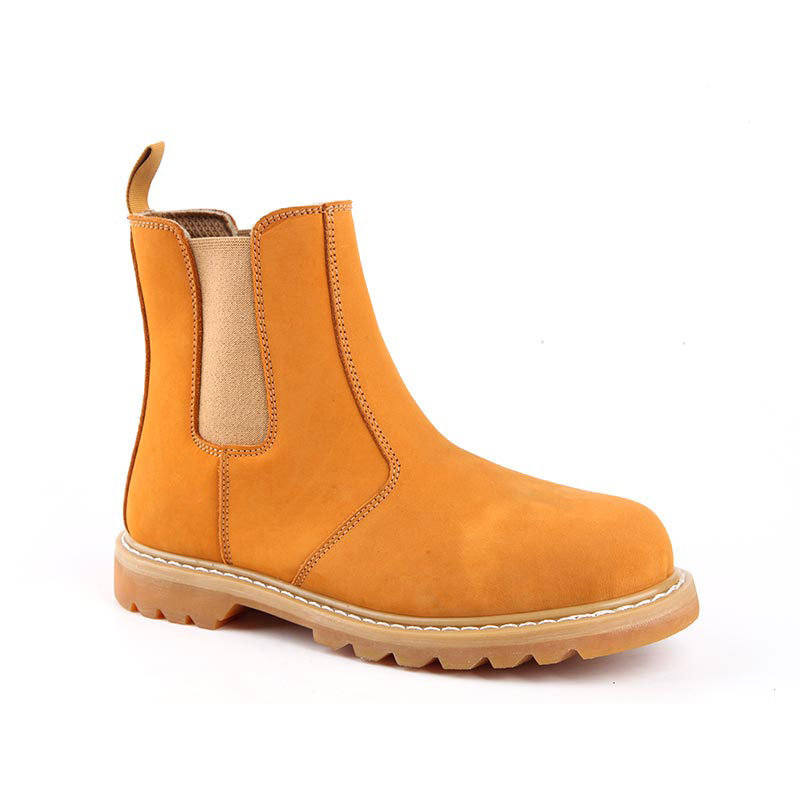
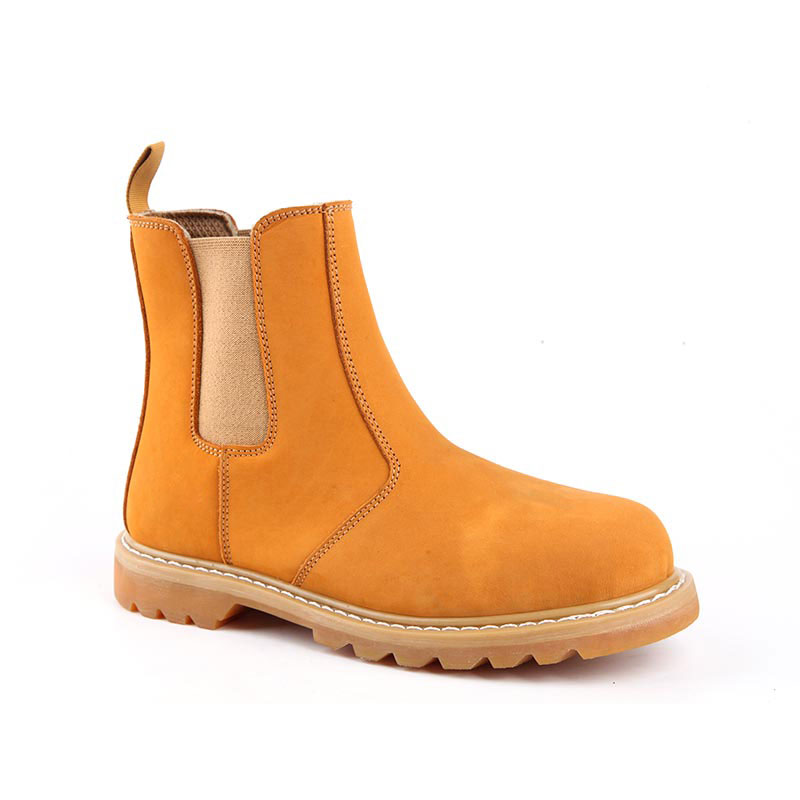
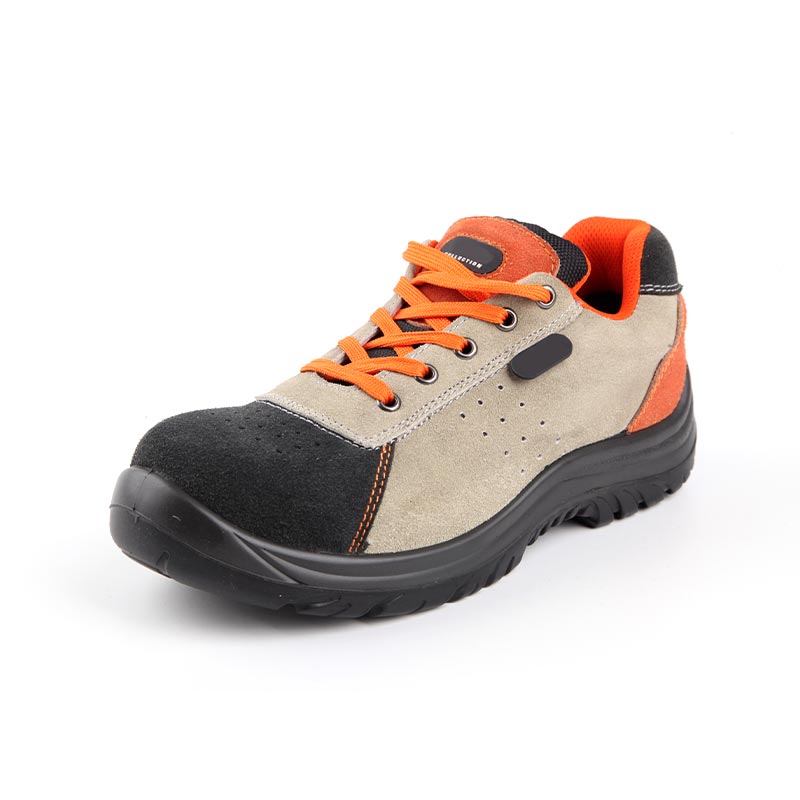
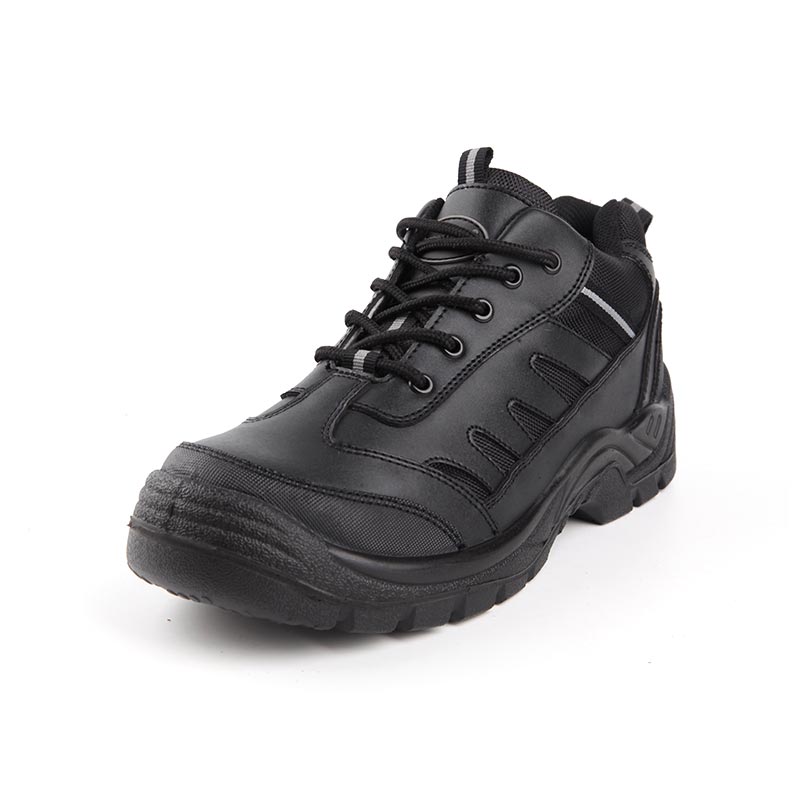
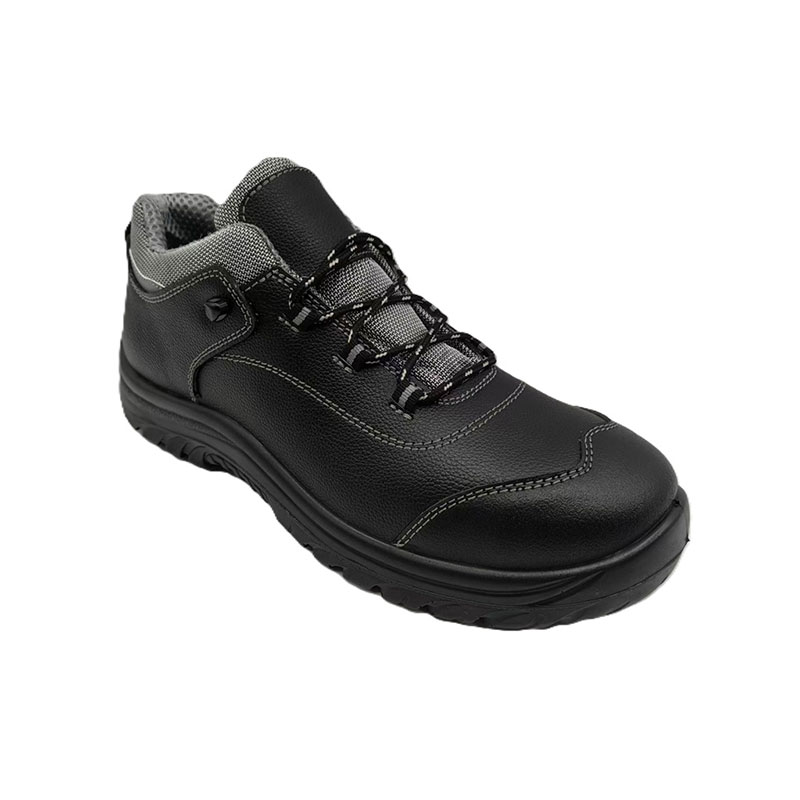
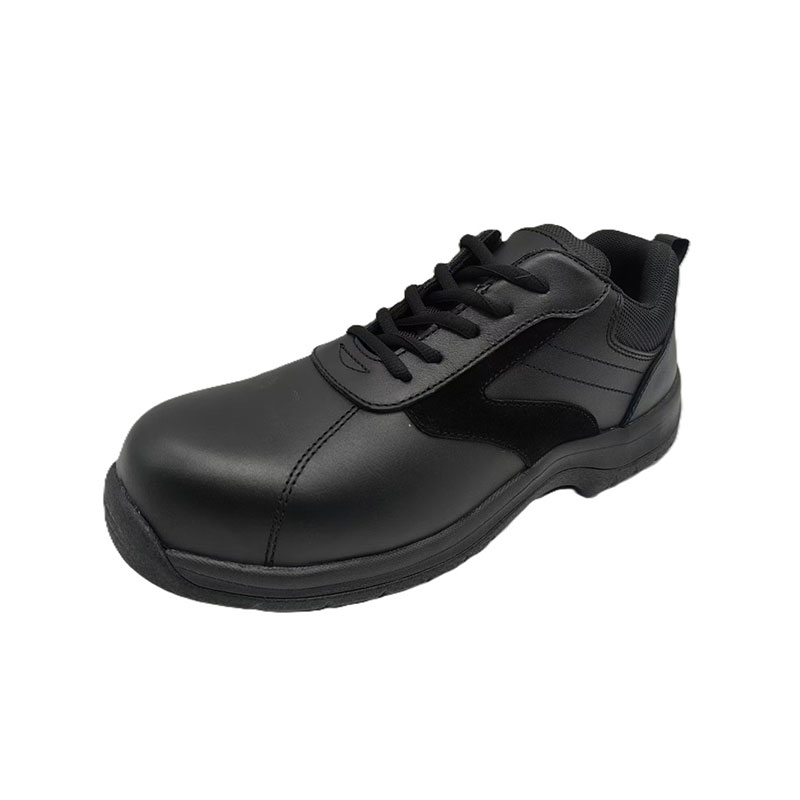
Anti-slip steel toe construction safety shoes

Table of Contents

  1. Article Outline
  2. What Are Anti-Slip Steel Toe Construction Safety Shoes?
  3. Why Job Sites Need More Than Basic Work Shoes
  4. Core Features That Matter
  5. How Anti-Slip Outsoles Improve Job-Site Traction
  6. Why Steel Toe Protection Matters
  7. Materials and Construction Details to Examine
  8. Where These Safety Shoes Are Commonly Used
  9. What Should Buyers Check Before Ordering?
  10. Key Features Compared at a Glance
  11. How to Maintain Safety Shoes for Longer Service
  12. Why Work with Shandong Glory Source Industry Co., Ltd.?
  13. Frequently Asked Questions
  14. Final Thoughts

Article Outline

01 — Job-Site Protection

Understand why construction footwear must address several hazards simultaneously.

02 — Traction

Learn how tread geometry, rubber compounds and outsole design influence grip.

03 — Toe Protection

Understand the role of steel toe protection against impact and compression hazards.

04 — Purchasing

Use practical criteria when selecting footwear for teams, contractors or distribution.


What Are Anti-Slip Steel Toe Construction Safety Shoes?

Anti-slip steel toe construction safety shoes are protective work shoes developed for environments where workers may encounter both foot-impact hazards and slippery walking surfaces. Their basic concept combines two important functions: a reinforced toe area and a traction-oriented outsole.

The steel toe component is intended to help protect the toes from certain impact and compression hazards, while the outsole is designed to provide better contact with the walking surface. OSHA guidance identifies falling or rolling objects and objects that can pierce the sole among hazards that may require protective footwear. OSHA also identifies slippery surfaces as a reason to consider slip-resistant soles. :contentReference[oaicite:1]{index=1}

However, no safety shoe should be treated as universal protection. The correct footwear depends on the actual workplace hazards, environmental conditions, required protective performance and applicable standards.

Why Job Sites Need More Than Basic Work Shoes

Ordinary casual footwear is rarely designed for the combination of hazards found on a construction site. A worker may move from dry concrete to wet flooring, walk over loose gravel, carry metal components and operate around machinery during the same shift.

A suitable safety shoe therefore needs to balance protection and mobility. Excessively rigid footwear may reduce comfort, while a lightweight shoe without adequate protective features may not provide the level of protection required for a particular task.

Job-Site Challenge Potential Footwear Response Why It Matters
Falling or rolling objects Protective toe construction Helps reduce certain impact and compression risks
Wet or slippery surfaces Slip-resistant outsole Improves traction during walking
Sharp debris Suitable puncture-resistant construction Helps reduce penetration hazards
Long shifts Ergonomic fit and cushioning Supports daily wearing comfort

Core Features That Matter

When evaluating construction safety shoes, buyers should look beyond appearance. The most useful assessment considers how each component performs under the actual working conditions.

  • Steel toe protection: A reinforced toe area designed for applicable impact and compression protection.
  • Anti-slip outsole: A tread pattern and outsole compound designed to improve traction on relevant surfaces.
  • Durable upper: Materials should withstand abrasion, repeated flexing and the general demands of construction work.
  • Supportive midsole: Proper cushioning and stability can improve comfort during extended periods of standing or walking.
  • Secure closure: Laces or other closure systems should help maintain a stable fit throughout the working day.
  • Breathability: Suitable ventilation can help manage heat and moisture during long shifts.
  • Appropriate certification: Buyers should verify that the actual model meets the standards required for their market and intended application.

How Anti-Slip Outsoles Improve Job-Site Traction

Traction is one of the most important characteristics of construction footwear because a worker cannot take full advantage of protective features if the shoe repeatedly loses contact with the walking surface.

NIOSH describes slip-resistant footwear as footwear with outsole materials and tread patterns intended to provide better grip on wet or greasy floors. Research conducted in food-service environments found that highly rated slip-resistant footwear was associated with a substantial reduction in slip-related workers' compensation claims. :contentReference[oaicite:2]{index=2}

For construction applications, buyers should consider the actual surface rather than assuming that every anti-slip outsole performs identically. Concrete, tile, wet metal, dusty ground, oily areas and loose gravel can produce very different traction conditions.

Practical outsole checklist
  • Examine tread depth and tread distribution.
  • Consider whether the tread can channel water and contaminants away from contact areas.
  • Check flexibility so that the outsole can maintain practical surface contact.
  • Consider resistance to abrasion for high-frequency walking environments.
  • Match outsole properties with the contaminants and surfaces present at the workplace.

Why Steel Toe Protection Matters

Construction work frequently involves materials that can fall, roll or be accidentally moved into contact with a worker's feet. Steel toe protection is one established approach to reducing the consequences of certain impact and compression hazards.

OSHA states that protective footwear should be selected according to the hazards identified in the workplace. Its guidance specifically addresses foot injuries caused by falling or rolling objects and describes safety-toe footwear as a form of protection for such hazards. :contentReference[oaicite:3]{index=3}

Buyers should not evaluate a steel toe simply by asking whether the toe cap is made from steel. They should also verify the product's testing, certification, construction quality, fit and suitability for the intended market.

Materials and Construction Details to Examine

The overall performance of a safety shoe depends on the interaction between the upper, toe protection, midsole, outsole, lining and fastening system.

Upper Material

Look for a material appropriate to abrasion, moisture, cleaning requirements and the working environment.

Toe Structure

The toe area should be properly integrated into the footwear and supported by appropriate testing and certification.

Outsole

Evaluate traction, abrasion resistance, flexibility and suitability for wet, dry or contaminated surfaces.

Interior Comfort

Cushioning, lining, arch support and overall fit influence whether workers can comfortably wear the shoes throughout a shift.


Where These Safety Shoes Are Commonly Used

Anti-slip steel toe construction safety shoes can be relevant to many working environments where protective toe footwear and traction are both important.

  • General construction and building projects
  • Infrastructure and civil engineering projects
  • Warehousing and logistics operations
  • Manufacturing facilities
  • Equipment installation and maintenance
  • Building renovation and repair work
  • Material handling areas
  • Workshop and fabrication environments
  • Outdoor maintenance and field service operations

The specific protection required can vary considerably between industries. For example, a worker handling chemicals may need chemical-resistant footwear, while a worker exposed to electrical hazards may require footwear designed for the relevant electrical protection. OSHA guidance emphasizes selecting protective footwear according to the hazards actually present. :contentReference[oaicite:4]{index=4}

What Should Buyers Check Before Ordering?

For distributors, contractors, procurement teams and safety managers, purchasing safety shoes involves more than comparing unit prices. A reliable purchasing decision should consider performance, consistency, compliance, comfort, supply capability and total value.

  1. Define the working environment. Identify surfaces, weather conditions, contaminants, machinery and major foot hazards.
  2. Determine the required protection. Confirm whether steel toe, puncture resistance, slip resistance, electrical protection or other features are necessary.
  3. Check applicable standards. Confirm the standards required in the destination market and request relevant test or certification documentation.
  4. Evaluate fit and sizing. Incorrect sizing can reduce comfort and may affect how effectively footwear performs during movement.
  5. Assess outsole performance. Ask whether the outsole is appropriate for the surfaces where workers will actually use the shoes.
  6. Inspect construction quality. Review stitching, bonding, toe integration, outsole attachment and finishing.
  7. Consider long-term supply. For bulk orders, consistency between production batches can be as important as the initial sample.
  8. Request samples. Whenever possible, allow actual users to test the footwear before placing a large production order.

Key Features Compared at a Glance

Feature Basic Work Shoe Safety Construction Shoe Buyer Focus
Protective toe May be absent Integrated protective toe option Required impact/compression protection
Traction General-purpose Slip-resistant design available Match outsole to workplace surface
Durability Varies Designed for demanding work Assess wear and construction quality
Workplace suitability Limited Designed around occupational hazards Match model to hazard assessment

How to Maintain Safety Shoes for Longer Service

Even a well-designed safety shoe can lose performance when it is poorly maintained. Routine inspection is particularly important for footwear used every day on demanding construction sites.

  • Remove dirt and construction debris from the outsole regularly.
  • Inspect the tread for excessive wear, cracking or separation.
  • Check the upper for cuts, severe abrasion or damage.
  • Inspect stitching and outsole bonding.
  • Keep footwear dry according to the manufacturer's care instructions.
  • Replace footwear when protective components or structural integrity have been compromised.
  • Do not continue using damaged footwear simply because the outer appearance still looks acceptable.

OSHA training materials recommend that workers understand why foot protection is necessary, how it protects them, its limitations, how to wear it correctly and how to recognize signs of wear. :contentReference[oaicite:5]{index=5}
Why Work with Shandong Glory Source Industry Co., Ltd.?

For international buyers, the right safety footwear partner should provide more than a product photograph and a quotation. Buyers often need consistent specifications, dependable production, clear communication, packaging support and the ability to adapt products to different market requirements.

Shandong Glory Source Industry Co., Ltd. can be positioned as a professional supplier for buyers seeking construction and protective footwear solutions, including anti-slip steel toe safety shoes. A supplier-oriented approach allows procurement teams to discuss footwear specifications according to actual working conditions rather than relying only on generic product descriptions.

What Buyers Can Discuss with a Professional Supplier

  • Safety shoe styles and construction
  • Steel toe protection requirements
  • Outsole and anti-slip requirements
  • Upper materials and color options
  • Size ranges and packaging
  • Branding and private-label requirements
  • Sample development and production arrangements
  • Market-specific documentation and testing requirements

Frequently Asked Questions

Are steel toe safety shoes suitable for construction work?

They can be suitable where the workplace hazard assessment identifies risks from falling or rolling objects and the selected footwear meets the protection requirements of the job. The correct model should also address other hazards present at the site.

Do anti-slip safety shoes work on every slippery surface?

No. Slip resistance depends on the outsole, tread pattern, surface, contaminants and environmental conditions. Buyers should select footwear according to the surfaces workers actually encounter.

What should I check when buying safety shoes in bulk?

Check protective performance, applicable certifications, materials, outsole properties, sizing, comfort, production consistency, packaging, sample quality and supplier reliability. For large orders, confirming specifications before mass production is especially important.

Are steel toe shoes uncomfortable for long shifts?

Not necessarily. Comfort depends on the overall design, toe-box shape, internal cushioning, weight, ventilation, outsole flexibility and correct sizing. A properly fitted safety shoe can be considerably more comfortable than a poorly designed lightweight work shoe.

Can safety shoes be customized for private-label brands?

Depending on the supplier and production program, customization may include colors, materials, logos, packaging, labels and selected construction details. Buyers should confirm the available customization scope, minimum order quantity and sample process in advance.

How often should construction safety shoes be replaced?

There is no universal replacement interval. Replacement should be based on actual condition and the manufacturer's recommendations. Excessive outsole wear, damaged uppers, compromised toe protection, sole separation or other structural damage are important warning signs.

Is steel toe protection enough for every construction hazard?

No. Steel toe protection primarily addresses certain toe impact and compression hazards. Depending on the workplace, additional protection such as puncture resistance, electrical protection, chemical resistance or metatarsal protection may be necessary.

Final Thoughts

The best anti-slip steel toe construction safety shoes are not simply defined by a steel toe cap or an aggressive-looking outsole. Their real value comes from how effectively the complete footwear system addresses the hazards, surfaces and working conditions of the intended environment.

For construction companies, distributors and procurement teams, the purchasing process should therefore begin with hazard identification and application requirements. From there, buyers can evaluate toe protection, traction, materials, comfort, durability, certification and supplier capability.

If you are looking for dependable construction safety footwear for your business, Shandong Glory Source Industry Co., Ltd. can help you discuss suitable product specifications, customization requirements and supply solutions. Contact us to discuss your anti-slip steel toe construction safety shoe requirements and develop a footwear solution for your market.

Related News
Leave me a message
X
We use cookies to offer you a better browsing experience, analyze site traffic and personalize content. By using this site, you agree to our use of cookies.Privacy Policy
RejectAccept