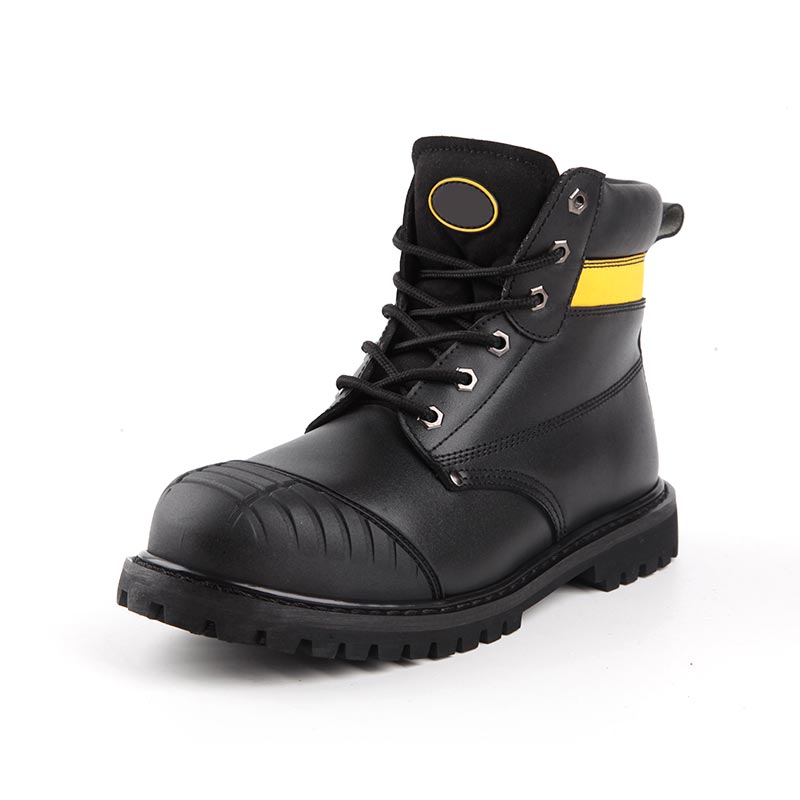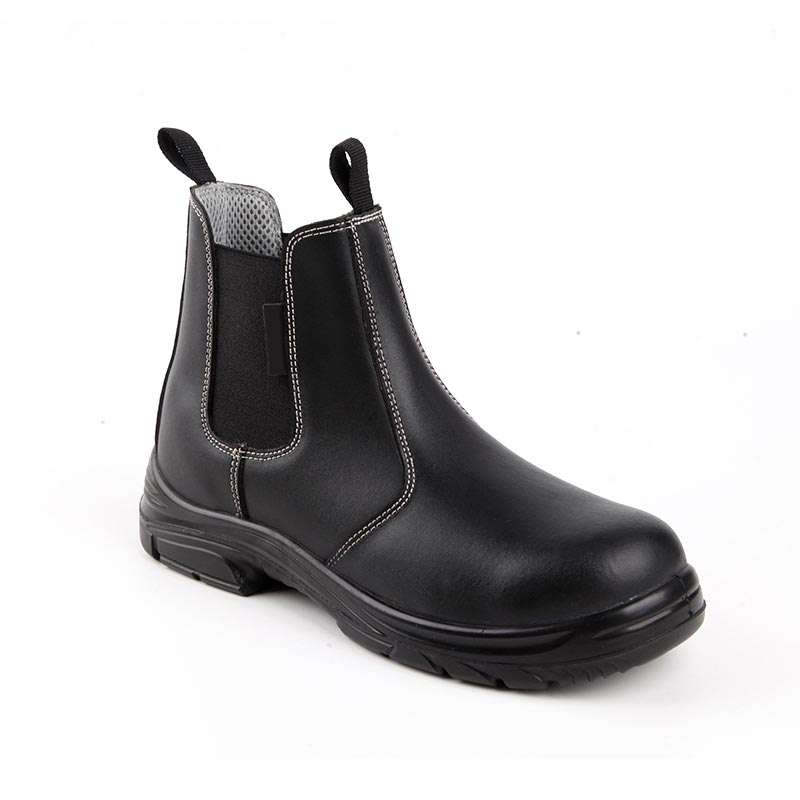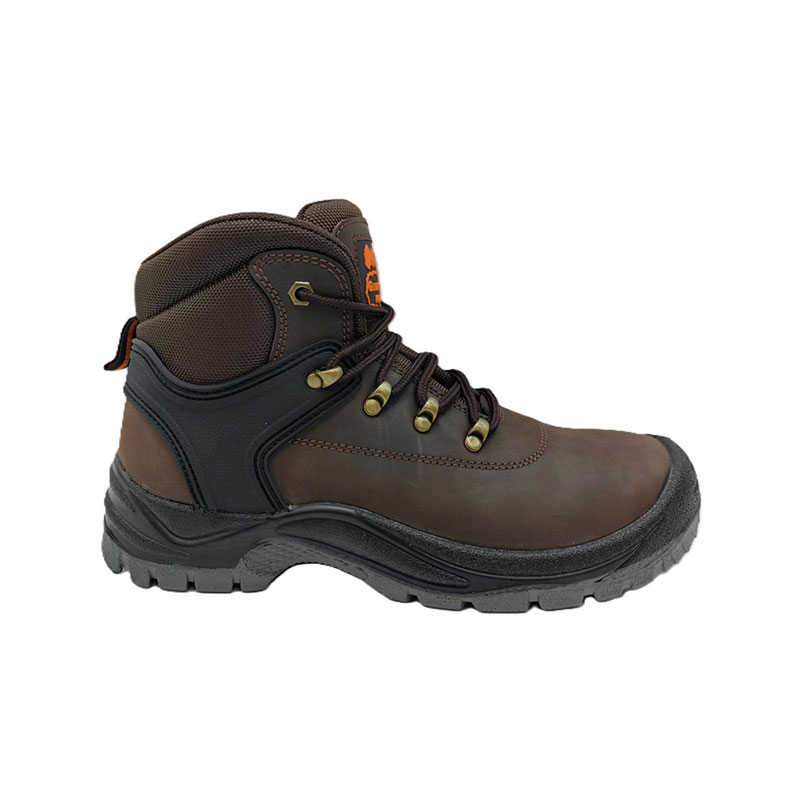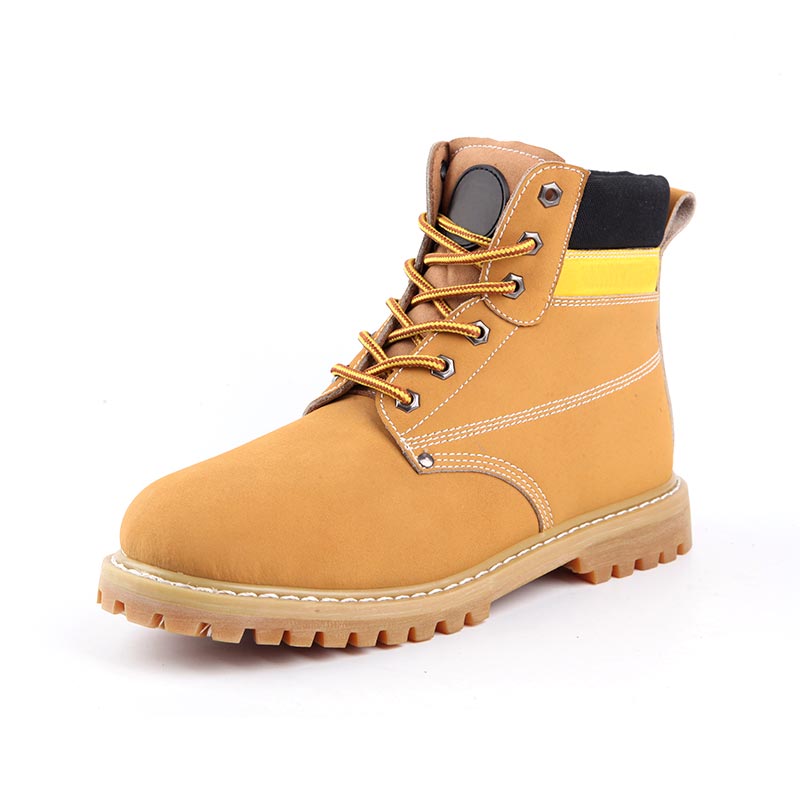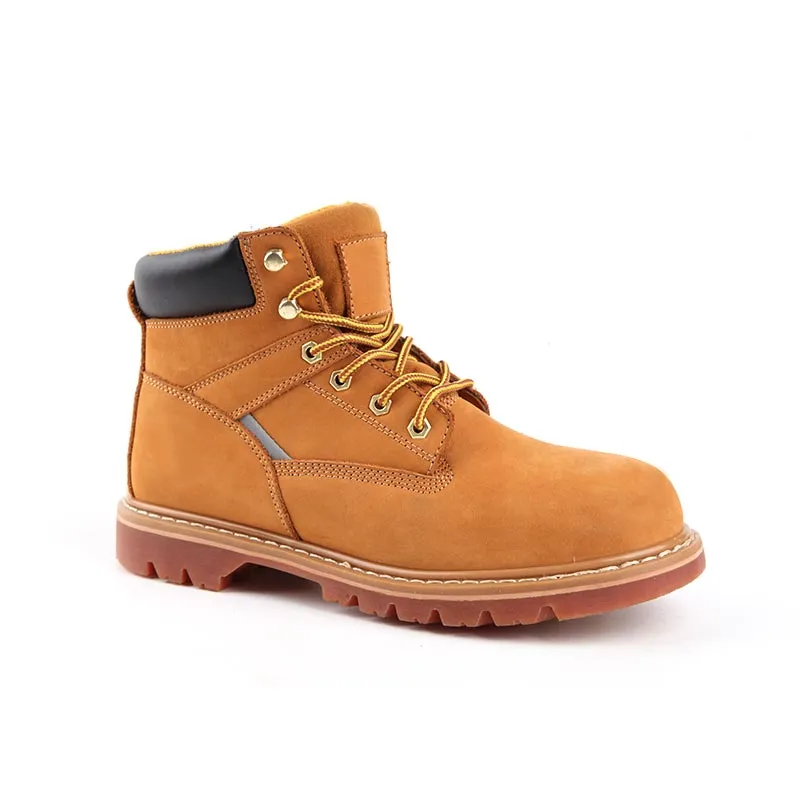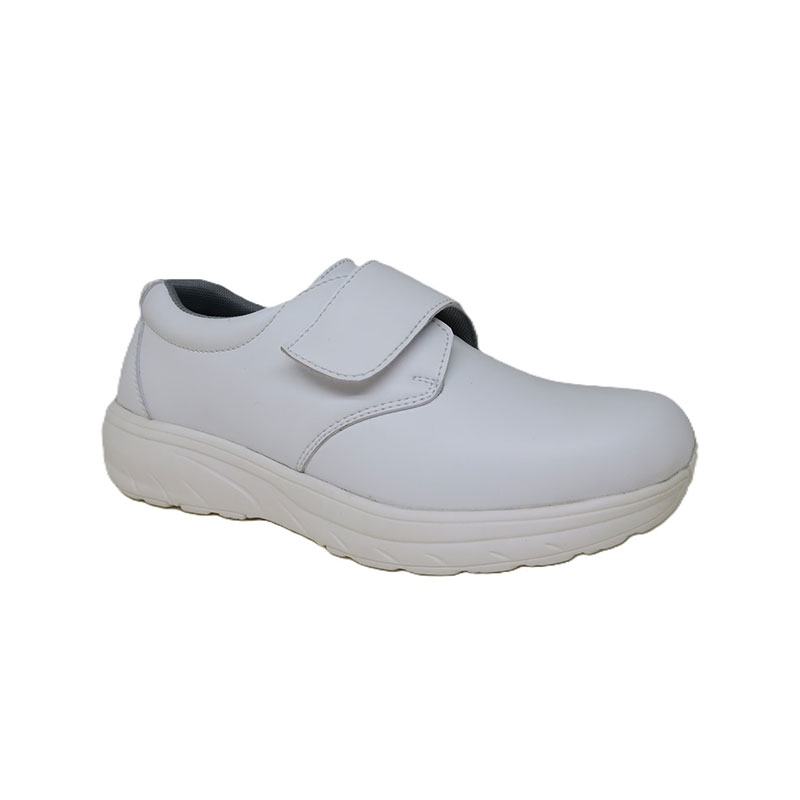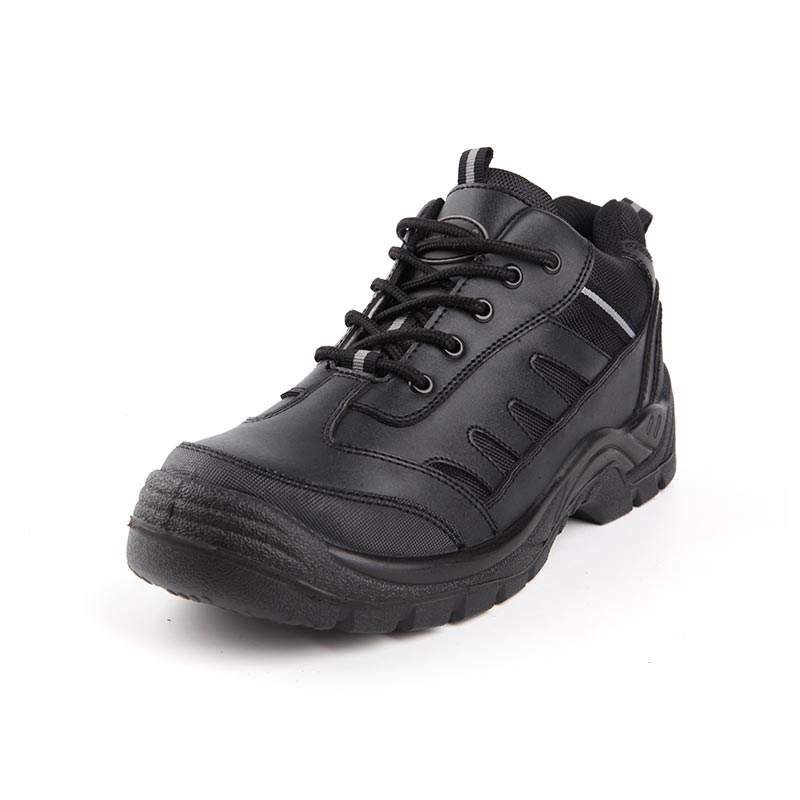

A slippery floor can turn a routine work step into an incident, which is why Gloryfoot anti-slip safety shoes deserve a closer look beyond tread alone.
Workplace falls rarely happen because of one dramatic mistake. More often, the warning signs are ordinary: a wet concrete floor, oil near a machine, loose dust on a warehouse aisle, or a worker moving quickly while carrying a load. Footwear is one part of this equation, but it is an important one because the contact between the worker and the floor begins at the sole.
For companies planning protective footwear programs, the real question is therefore not simply whether a pair of safety shoes is labeled “anti-slip.” The more useful question is whether its construction, outsole material, tread pattern, protective features and intended working environment are working together to reduce avoidable risks.

A slip occurs when the available grip between the outsole and the walking surface is not enough to control movement. That sounds simple, but workplaces rarely have one perfectly clean and dry type of floor.
A production facility may have smooth concrete in one area and metal surfaces in another. A logistics warehouse can combine dusty aisles with wet loading zones. Construction sites may introduce mud, gravel, cement residue and changing surface conditions throughout a single shift.
This makes footwear selection more complicated than choosing the deepest tread available.
A very aggressive tread does not automatically perform well on every surface. The rubber, PU or TPU compound also affects how the outsole interacts with the floor. Tread spacing matters because grooves need enough room to move contaminants away from the main contact areas. At the same time, excessive spacing can reduce the amount of outsole actually touching a smooth surface.
The practical objective is a balance between traction, contact area, flexibility and resistance to wear.
When evaluating anti-slip safety footwear, several details deserve attention.
Different outsole materials behave differently under pressure and across changing temperatures and surfaces.
Rubber is commonly associated with demanding environments where grip and durability are important. PU can provide a balance of light weight, cushioning and resistance to common workplace conditions. TPU can offer a combination of abrasion resistance and structural stability.
There is no universal material that is automatically the best choice. The correct option depends on the environment in which the footwear will actually be used.
The pattern under the foot is more than a visual feature. Grooves, channels, edges and contact zones influence how the sole handles water, dust and other contaminants.
A practical tread design should support stable foot placement while allowing contaminants to move away from high-contact areas. This is particularly relevant in workplaces where floors cannot remain completely dry throughout the working day.
A new pair of shoes and a heavily worn pair are not necessarily performing in the same way.
Repeated walking gradually changes the shape and depth of an outsole. Once the tread becomes significantly smoother, the footwear may provide less mechanical interaction with the floor.
This is why procurement decisions should consider not only initial specifications but also expected service conditions, outsole durability and replacement intervals.
A useful way to compare protective footwear is to start with the working environment rather than the product label.
| Working Environment | Common Slip Concern | Useful Footwear Considerations |
|---|---|---|
| Construction | Dust, water, uneven ground | Deep tread, stable construction, toe protection |
| Manufacturing | Oil, metal surfaces, liquid spills | Slip resistance, abrasion resistance, protective toe cap |
| Logistics | Dust, smooth concrete, loading areas | Lightweight construction, traction, comfort |
| Mining | Mud, loose materials, uneven surfaces | Strong outsole, stability, puncture protection |
| Oil & Gas | Oil, chemicals, wet surfaces | Slip resistance, resistant materials, protective construction |
| General Industrial Areas | Mixed floor conditions | Balanced grip, durability and comfort |
The table also shows why footwear decisions should not be based on a single specification. A pair designed around wet-floor traction may have different priorities from footwear intended for rough construction surfaces.
There is another important point that is sometimes overlooked: preventing a fall is not the same as protecting a worker after a fall or from other workplace hazards.
A protective footwear system may need to address several risks at once.
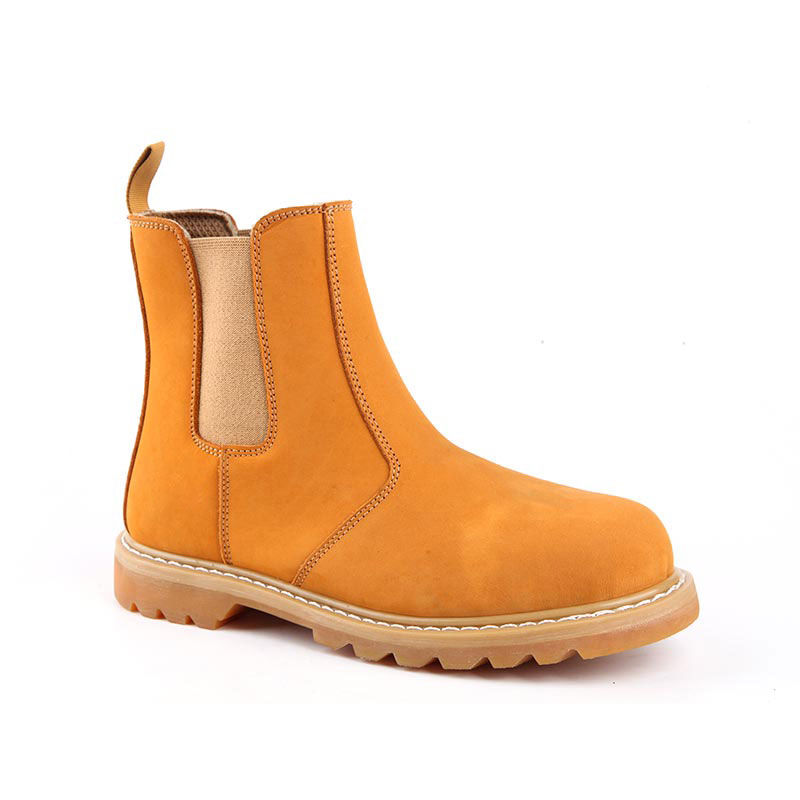
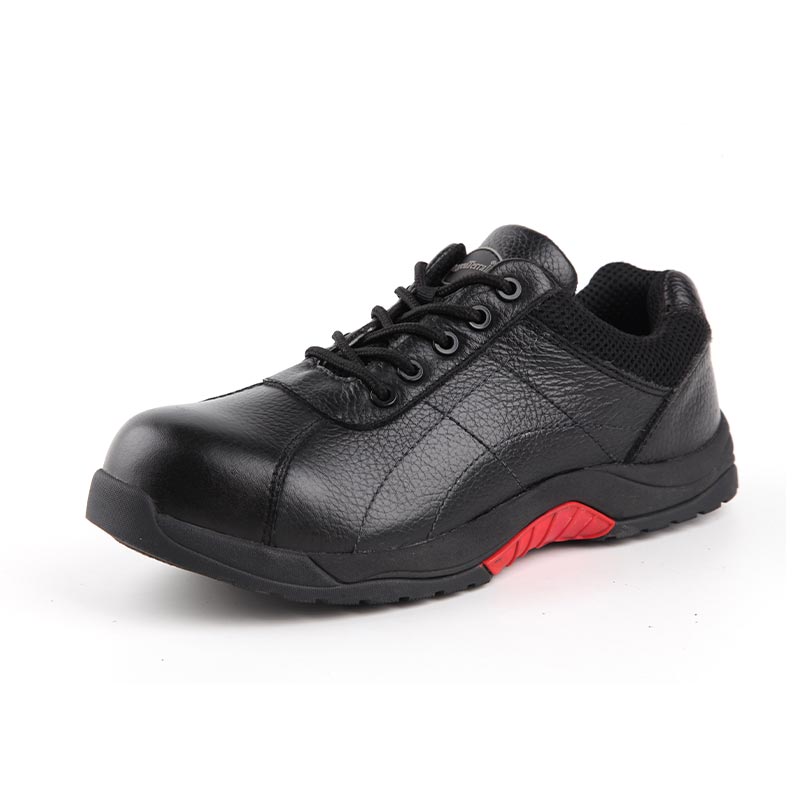
Gloryfoot develops safety shoes, work boots, occupational shoes, military boots and other protective footwear with functions including impact protection, anti-puncture protection, anti-slip performance and static resistance. Depending on the product construction, additional protection can address acid and alkali exposure or other demanding industrial conditions.
That broader approach matters because workplace hazards rarely arrive one at a time.
Consider a construction worker walking across a damp site. The immediate concern may be slipping, but the same worker could also encounter sharp debris or heavy objects. In that situation, anti-slip performance is valuable, but it cannot replace puncture resistance or impact protection.
Likewise, a worker in an industrial plant may encounter smooth flooring, machinery, liquids and electrical concerns during the same shift. Footwear needs to match the complete risk profile rather than one isolated hazard.
There is another practical issue: footwear that is technically protective but uncomfortable can create its own problems.
Workers may spend eight or more hours standing, walking, climbing or moving materials. Excessive weight, poor flexibility or inadequate support can contribute to fatigue and make movement less natural.
This is why footwear construction deserves attention alongside safety functions. Gloryfoot's production base uses three main construction approaches: Goodyear-welted, cemented and PU-injection construction. Each method provides different structural characteristics and can be selected according to the intended application.
Material selection also affects everyday wear. The company works with leather uppers and PU, TPU and rubber sole materials, allowing different combinations of protection, durability and comfort.
A product description can explain what footwear is designed to do, but recognized standards provide a more useful framework for evaluating protective performance.
Gloryfoot products are developed around standards and certifications including CE EN ISO 20345, ISO 9001, 3C, ASTM, BSCI and SMETA, depending on the applicable product and market requirements.
For procurement teams, standards should not be treated as decorative badges on a specification sheet. The important question is whether the relevant standard applies to the actual product and intended use.
For example, EN ISO 20345 establishes requirements for safety footwear, including protective toe caps and a range of additional performance requirements. ASTM standards are used across various protective footwear applications in North American markets.
Checking the exact applicable standard, test scope and product documentation can help prevent a common mistake: assuming that two products with similar appearances provide identical protection.
Instead of starting with price or appearance, a more practical assessment can follow five steps.
First, identify the dominant floor hazards. Is the environment mainly wet, oily, dusty, uneven or a combination of these conditions?
Second, examine the outsole. Look at its material, tread geometry, contact area and expected resistance to abrasion.
Third, identify secondary hazards. Consider impact, puncture, static electricity, chemicals and other risks that may exist alongside slip hazards.
Fourth, consider the working day. Weight, flexibility, fit and overall construction become increasingly important during long shifts.
Fifth, verify applicable standards. Product claims should be connected to recognizable testing and certification requirements rather than relying solely on descriptive language.
This approach gives procurement teams a clearer picture of what they are actually specifying.
Safety footwear is easy to compare visually. Two black work boots may look almost identical from several meters away, yet their outsole compounds, construction methods, protective components and testing requirements can be completely different.
This is particularly important when footwear is used across multiple facilities or job roles. A general-purpose design may be suitable for one department but poorly matched to another where oil, water, sharp debris or electrical hazards are more common.
Standardizing footwear can simplify management, but standardization should follow risk assessment—not replace it.
Gloryfoot's production operation includes six production lines, covering two Goodyear-welted lines, two cemented lines and two PU-injection lines, together with a testing laboratory and dedicated R&D and quality-control teams. Its annual safety footwear output exceeds one million pairs, while its product range covers industrial environments including construction, manufacturing, logistics, mining and oil & gas.
These production capabilities are relevant because protective footwear is ultimately a combination of materials, construction and controlled production rather than a single feature printed on a label.
It is tempting to think of an anti-slip shoe as the final barrier between a worker and a fall. In reality, footwear is one component within a much larger workplace safety system.
Floor maintenance, drainage, spill management, housekeeping, lighting, worker movement and appropriate footwear all influence the final outcome.
Even well-designed anti-slip safety shoes cannot compensate for a floor covered with an uncontrolled layer of oil. Conversely, a clean and well-maintained workplace can still present unnecessary risk if footwear has worn-out tread or is poorly suited to the surface.
That is why footwear selection works best when it is connected to actual workplace conditions.
The strongest footwear decision is rarely the one with the longest list of features. It is the one where the protection corresponds closely to the hazards people face every day.
For wet industrial areas, traction and drainage-related tread design may take priority. For construction, impact and puncture protection may need equal attention. For long warehouse shifts, weight and comfort can become almost as important as grip. In chemically demanding environments, material resistance must be considered alongside outsole performance.
The key is to avoid treating “anti-slip” as a complete answer.
A useful pair of protective footwear should help workers maintain stable contact with the ground while also addressing the other risks built into their working environment. Regular inspection is equally important because even high-quality soles gradually change through use.
A workplace fall can begin with something as small as a wet patch under one foot, but preventing that incident requires more than choosing footwear with a deep tread. Outsole material, tread geometry, construction, durability, protective functions, standards and working conditions all influence how effectively footwear performs.
For procurement planning, the better question is not simply whether anti-slip safety shoes are available. It is whether the selected footwear matches the actual combination of surfaces, hazards and working hours.
Gloryfoot's safety shoes and broader protective footwear range reflects this multi-factor approach, combining different construction methods and protective functions for industrial applications. Shandong Glory Source Industry Co., Ltd. provides the production and testing foundation behind these footwear solutions, reinforcing a straightforward industry lesson: effective foot protection starts with understanding the workplace before choosing the shoe.