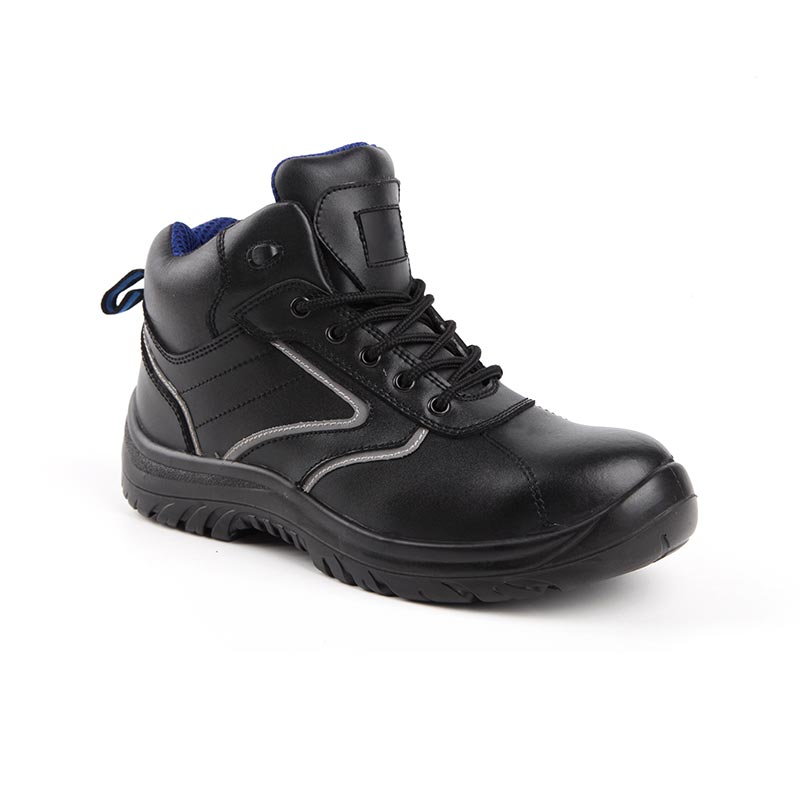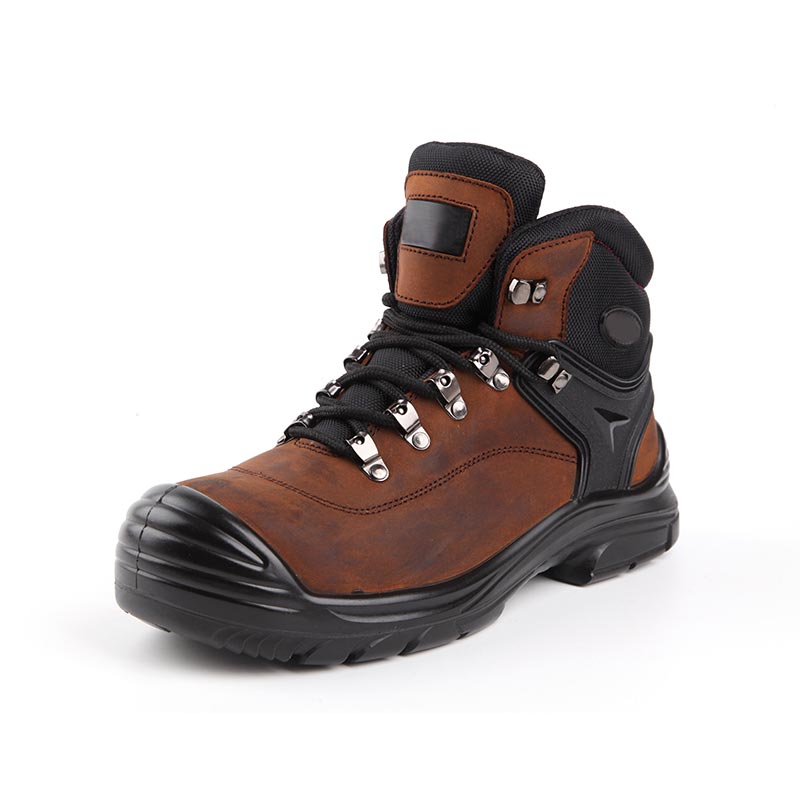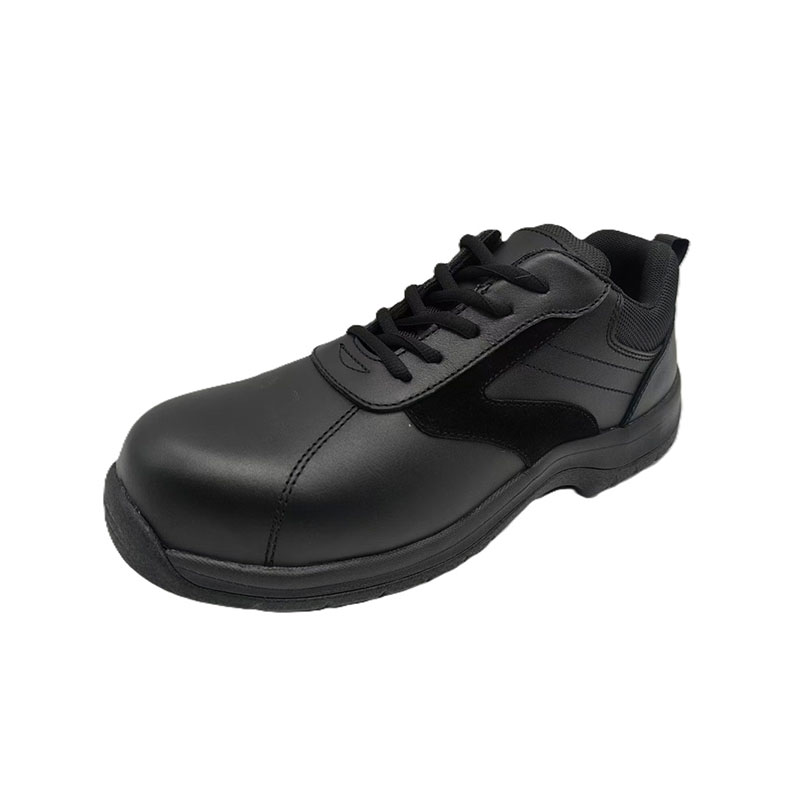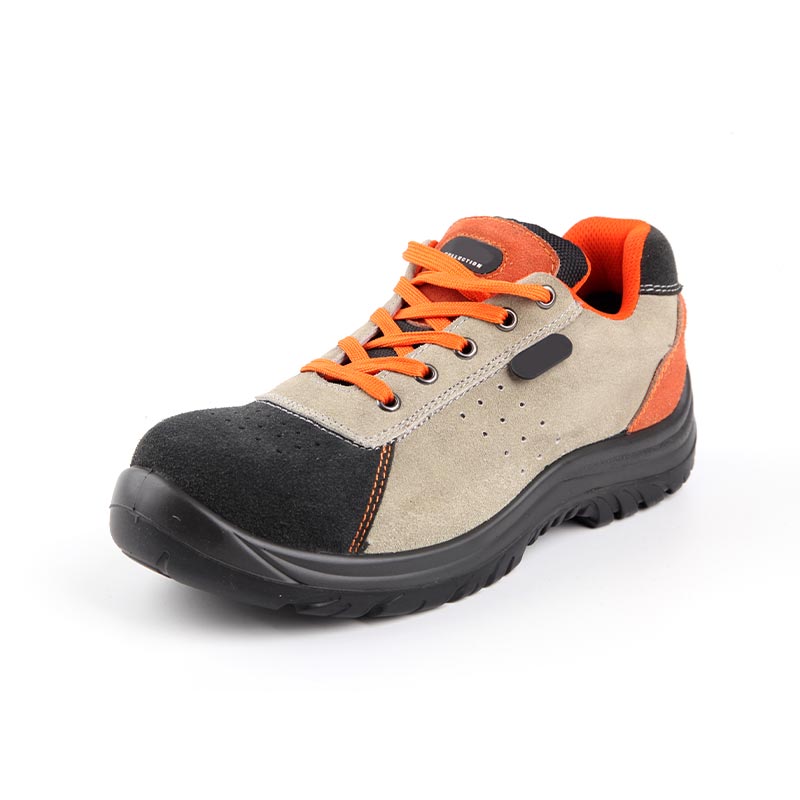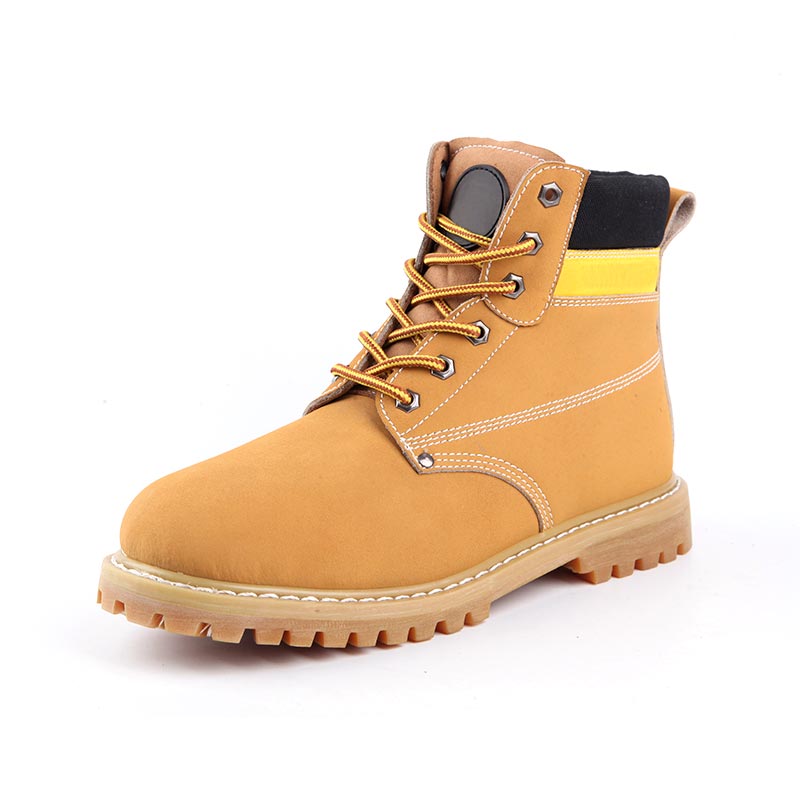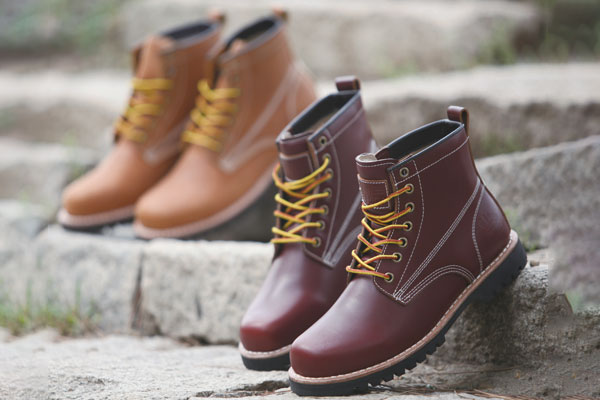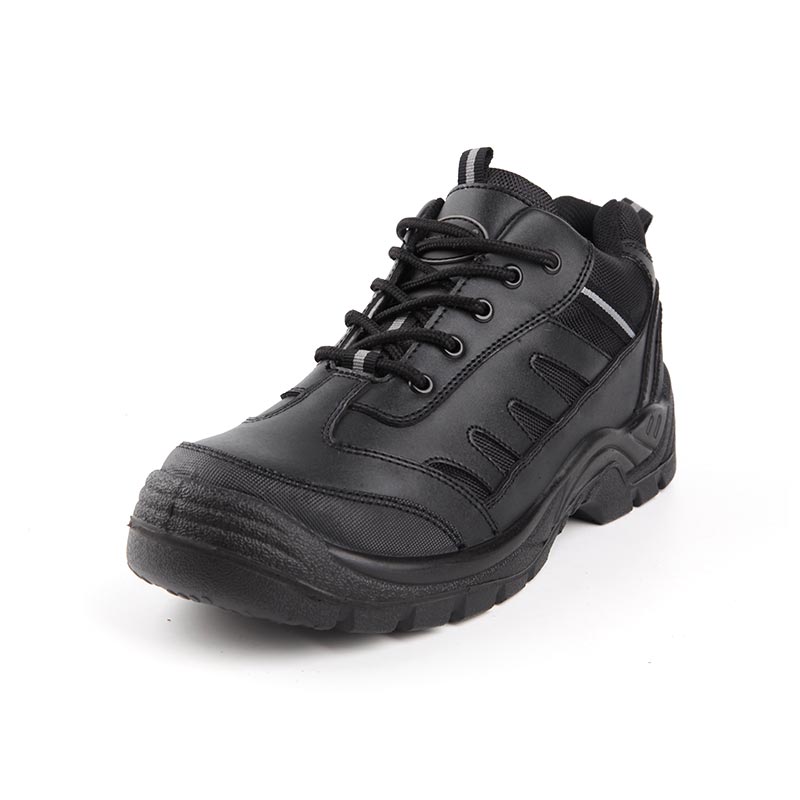

Mid-Cut Full-Grain Nubuck Safety Shoes reflect a growing focus on durable materials, practical ankle coverage and everyday comfort in modern industrial footwear.
Construction sites, factories, warehouses and outdoor work areas place different demands on footwear, but one requirement remains consistent: safety shoes must withstand repeated use without compromising essential protection. Scraped uppers, worn-out soles and uncomfortable fits can all affect the useful life and everyday performance of work footwear. As a result, durability is increasingly considered alongside protective functions when evaluating occupational shoes.
Safety footwear faces more than occasional heavy impacts. During a typical shift, workers may walk across concrete, climb ladders, kneel near equipment or move between indoor and outdoor areas. These repeated activities expose shoes to abrasion, pressure, dust and changing weather conditions.
When footwear wears out too quickly, replacement costs can increase and protective performance may decline. A damaged outsole, loose upper or deteriorating sole attachment should therefore be treated as a maintenance concern rather than a cosmetic issue.
The challenge is to balance material strength with flexibility and comfort. Footwear that is durable but excessively heavy may cause discomfort during long shifts, while lightweight designs still need to meet the protection requirements of their intended working environments.
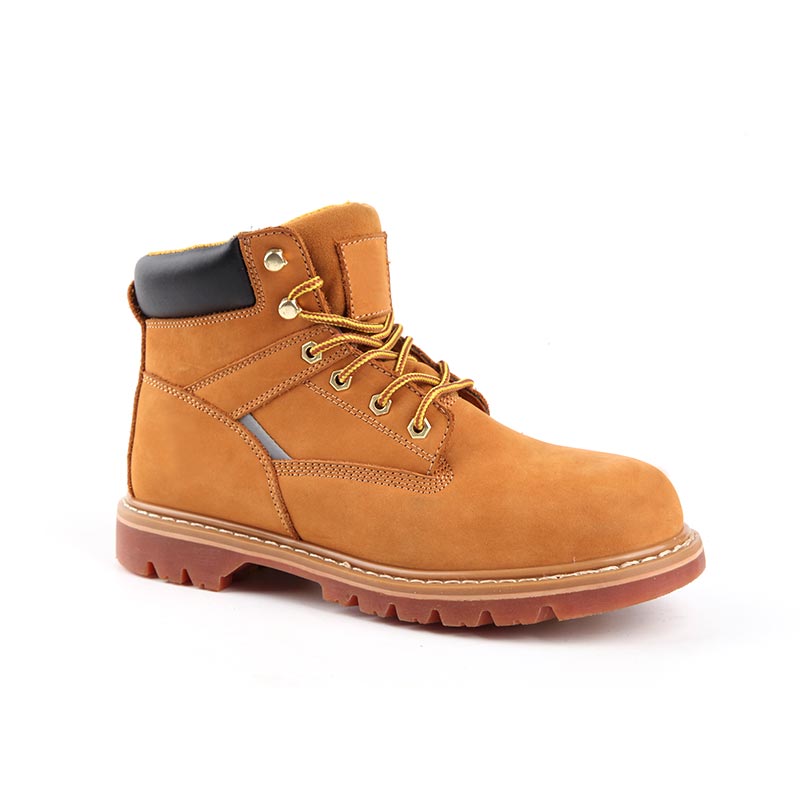
Leather remains an important material in protective footwear because it can provide a durable upper suitable for demanding working conditions. Nubuck has a lightly brushed surface that gives it a soft, matte appearance, while full-grain leather retains the natural grain structure of the hide.
These characteristics make full-grain nubuck a practical option for work footwear where surface durability and a structured upper are important considerations. However, actual performance depends on leather quality, thickness, finishing, stitching and overall shoe construction.
Leather footwear also requires appropriate care. Mud and dust should be removed regularly, and wet shoes should dry naturally rather than being placed directly against strong heat. Suitable care can help maintain the material's condition, although it cannot eliminate wear caused by repeated friction or harsh exposure.
The height of a shoe influences its coverage, movement and suitability for different tasks. Low-cut safety shoes can suit environments where unrestricted ankle movement is a priority, while taller boots provide more coverage around the lower leg.
Mid-cut designs offer an alternative, combining additional ankle-area coverage with a less extensive upper than many high boots. This can be useful for workers who alternate between walking, standing and light climbing during a shift.
However, mid-cut construction does not automatically prevent ankle injuries. Fit, lacing, outsole stability, terrain and working practices all influence how footwear performs. The appropriate design should be selected according to the actual risks rather than appearance alone.
| Evaluation Factor | Why It Matters | What to Check |
|---|---|---|
| Upper material | Affects abrasion resistance and service life | Leather quality, seams and surface condition |
| Outsole | Influences grip and resistance to wear | Tread pattern, material and intended floor conditions |
| Sole attachment | Helps maintain structural integrity | Bonding, stitching or construction method |
| Fit and cushioning | Affects comfort during extended shifts | Toe room, heel fit and internal support |
| Protective features | Addresses workplace-specific hazards | Toe protection, puncture resistance and relevant test documentation |
These factors should be considered together. A strong leather upper cannot compensate for a worn outsole, and a durable sole does not make a shoe suitable for every industrial hazard.
Different industries create different patterns of wear. In construction, rough surfaces, debris and changing ground conditions can place additional demands on the upper and outsole. In warehouses, frequent walking on concrete makes cushioning, fit and outsole wear important considerations. Manufacturing environments may involve oil, metal particles or other contaminants that require more specific footwear characteristics.
For this reason, the longest-lasting shoe on paper is not necessarily the best choice for every application. Material resistance, slip performance and protective components must correspond to the conditions in which the footwear will be used.
Gloryfoot's protective footwear range includes safety shoes and work boots for applications such as construction, manufacturing, logistics, mining and oil and gas. Its production operations use Goodyear-welted, cemented and PU-injection construction methods, reflecting the different structural approaches used in protective footwear.
Durability should never be used as a substitute for verified safety performance. ISO 20345:2021 establishes requirements for general-purpose safety footwear, including basic and additional requirements relating to mechanical risks, slip resistance and other performance characteristics. The applicable requirements depend on the product classification and intended use.
Before selecting footwear for a particular workplace, relevant product documentation should be checked against the hazards involved. A general description such as “heavy-duty” does not establish that a shoe provides protection against every workplace risk.
Regular inspection is equally important. Workers should check for worn tread, cracked or separated soles, damaged uppers and changes in fit. Footwear showing damage that may compromise protection should be assessed and replaced in accordance with workplace safety procedures.
The demand for durable work protection is encouraging a more balanced approach to footwear design. Material strength remains essential, but long-term comfort, weight, mobility and application-specific protection are also important.
The practical goal is not simply to make shoes tougher. It is to develop footwear that withstands routine working conditions while remaining suitable for the tasks workers perform throughout the day.
In the end, Mid-Cut Full-Grain Nubuck Safety Shoes illustrate how leather durability, mid-cut coverage and workplace-specific protection can come together in modern occupational footwear. For Gloryfoot, this product category sits within a broader protective footwear range from Shandong Glory Source Industry Co., Ltd., reflecting an industry-wide priority: durable footwear must be evaluated by its construction, tested performance and suitability for real working conditions.